































































































 International Free Zone Authority
Why Entrepreneurs Start a Business in the UAE — and When It’s Better Not To

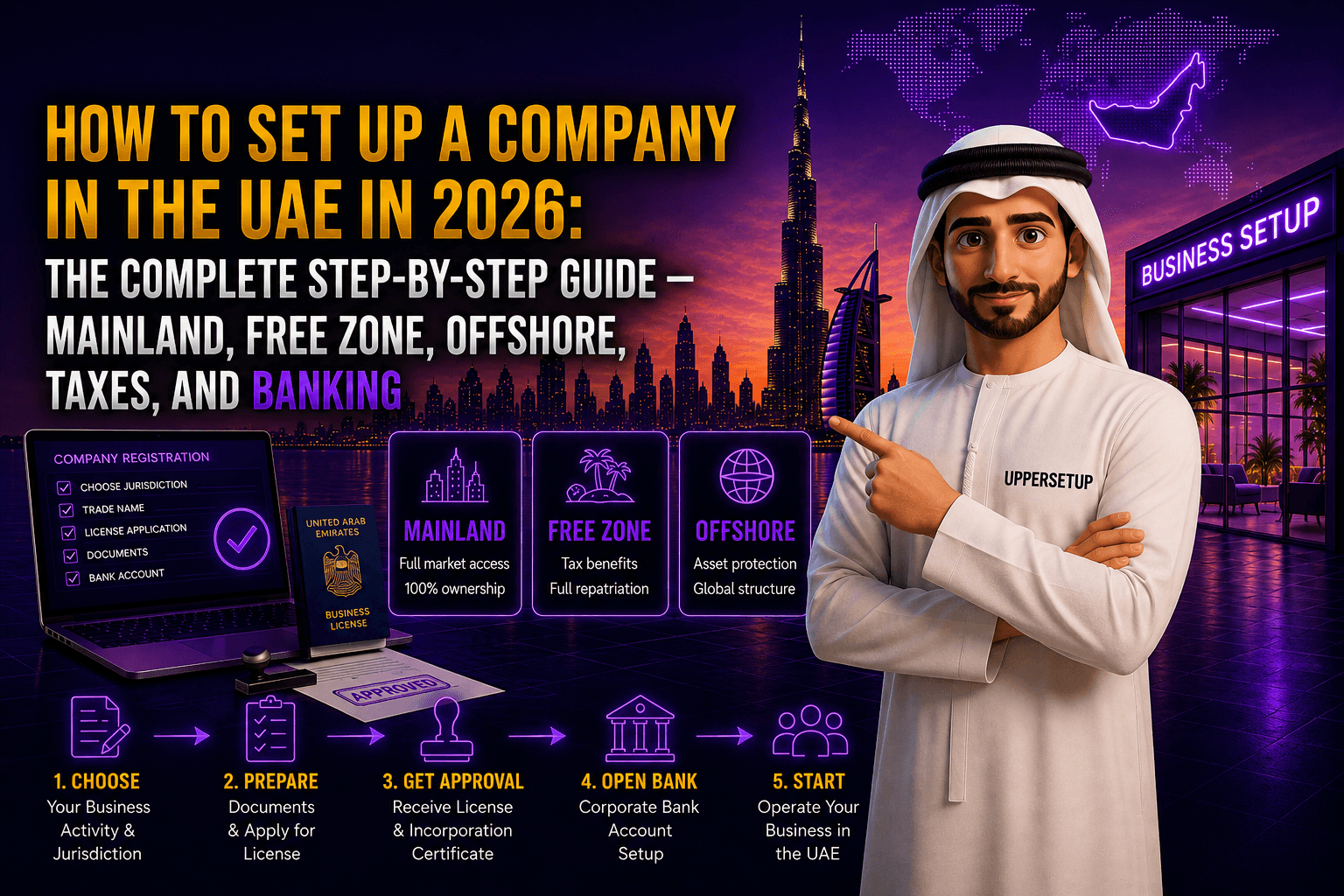
The UAE continues to strengthen its position as one of the region’s leading business hubs. According to the National Economic Register, by mid-2024 more than 1.021 million companies were registered in the country — a 152% increase compared to 2020. In Dubai alone, around 19,000 new business licenses were issued in the first quarter of 2025, accounting for nearly 59% of all licenses nationwide.
This growth reflects more than rising entrepreneurial activity — it signals tougher competition, higher compliance standards, and a shift from prestige to performance. In this environment, it’s essential to understand what real advantages UAE registration offers, what obligations it entails, and when opening a company simply doesn’t make economic sense.
Key Advantages of Registering a Company in the UAE
1. Reputation and Business Credibility
The UAE is recognized as one of the most transparent and predictable jurisdictions in the region.Companies incorporated here enjoy a high level of trust from counterparties, investors, and financial institutions — a critical factor when working with international partners, investment funds, and cross-border transactions.
2. Tax Predictability
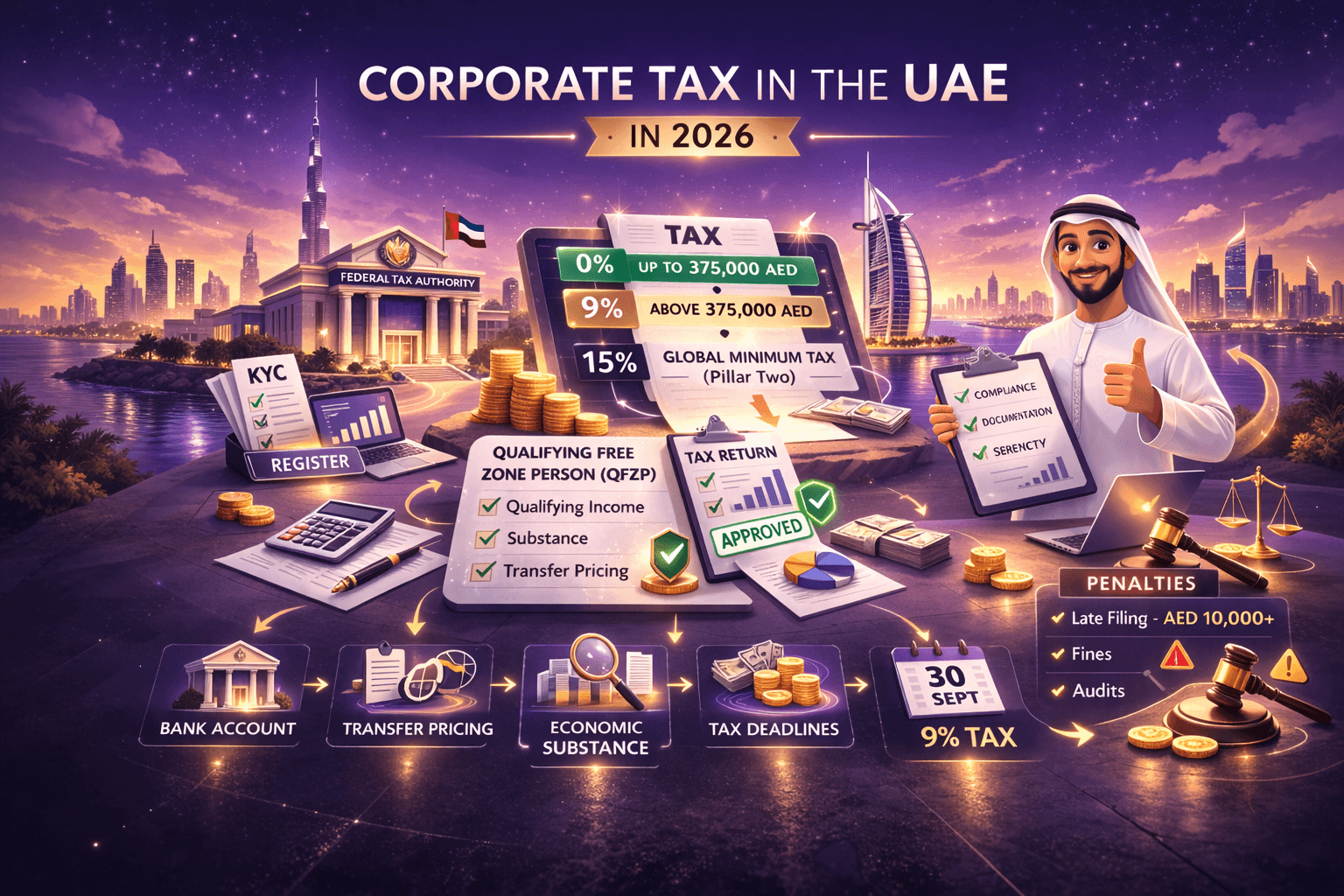
Since June 1, 2023, the corporate tax regime has been in effect:
- 0% on taxable income up to AED 375,000
- 9% on income exceeding that threshold
Companies registered in Free Zones may apply a 0% rate on qualifying income, provided they meet the required substance criteria — having an office, employees, and genuine operations in the UAE.
There is no personal income tax, and VAT remains at 5%, making the UAE’s tax system one of the most stable and foreseeable in the region.
3. ESR Abolished, but Substance Requirements Remain
Under Cabinet Decision No. 98 of 2024, the Economic Substance Regulations (ESR) no longer apply to financial years starting on or after 1 January 2023 (they remain relevant only for 2019–2022).
However, substance obligations — such as maintaining an office, making management decisions locally, employing staff, and incurring genuine expenses — have been integrated into the corporate tax framework. For Free Zone companies claiming the 0% rate, proving real economic presence is mandatory, not a formality.
4. Banking System and Transparency Controls
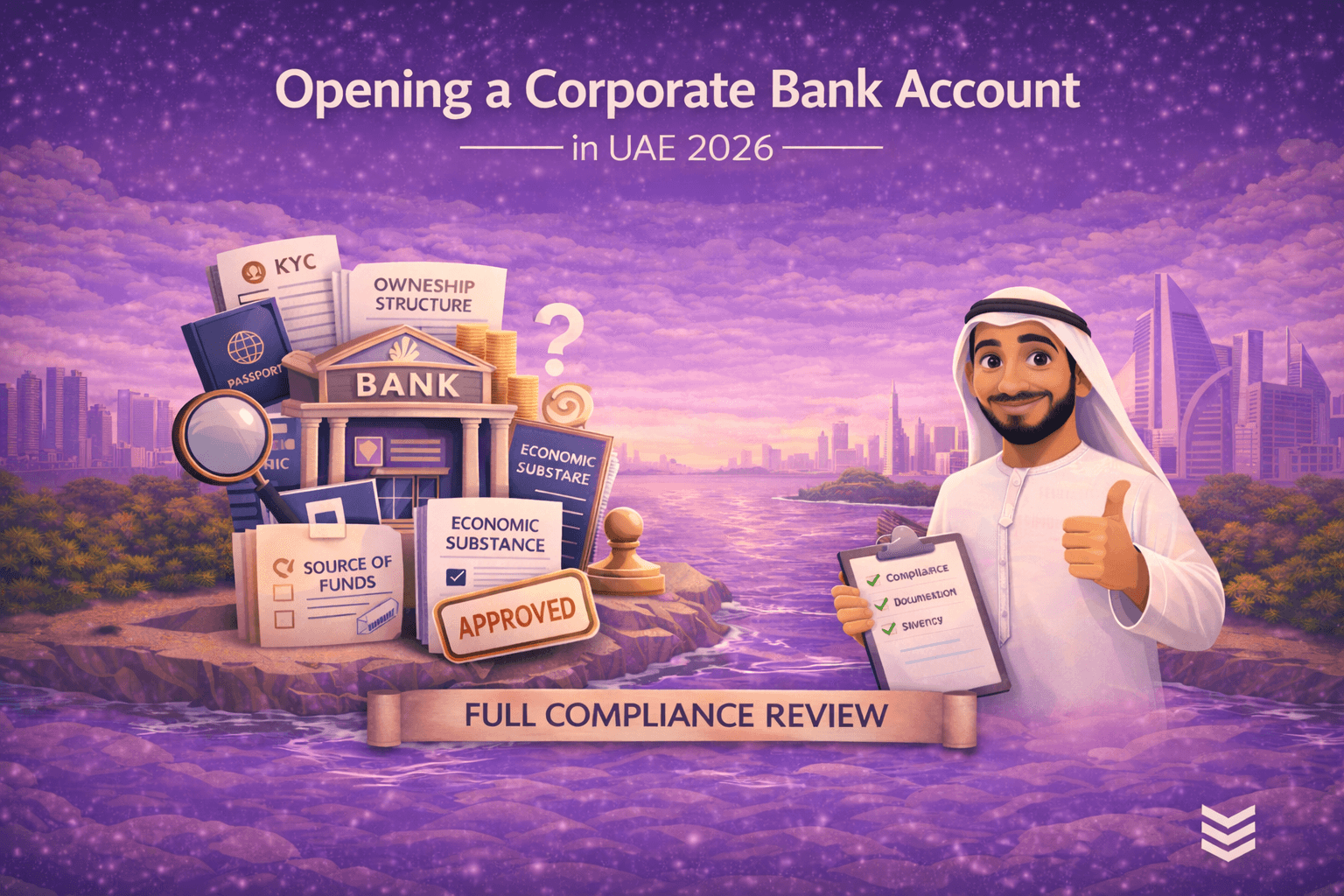
Opening a corporate bank account in the UAE is possible only with verified business activity.Banks request ownership structures, income sources, financial projections, client contracts, and proof of a physical office.
Regulators and banks conduct thorough due diligence on each applicant, assessing not only documents but also the substance of operations.As a result, the account opening process can take from several weeks to a few months — particularly for entities with complex ownership or foreign participation.
5. Full Transparency of Ownership
Since 2020, all companies must disclose Ultimate Beneficial Owners (UBO) — individuals holding 25% or more of capital or exercising effective control.
Failure to update UBO information or comply with AML requirements may result in administrative fines ranging from AED 50,000 to 100,000, suspension of the business license, or corporate account blockage.
These measures reflect the UAE’s integration into OECD and FATF international transparency standards.
When Registering a Business in the UAE Makes Sense
- The company conducts operational activities within the UAE — such as trade, services, construction, consulting, IT, or other projects requiring local presence.
- The business works with foreign clients and generates revenue from abroad.
- Access to multi-currency settlements and a stable banking infrastructure is essential.
- The founder or key team members plan to relocate to the UAE.
- Obtaining a business-based residence visa or immigration status is a priority.
- There is a clear strategy for growth and expansion beyond the local market.
- A holding structure is being established to manage foreign assets or oversee international investments.
When Opening a Business in the UAE Doesn’t Make Economic Sense
- The company has no international operations and operates solely within a single domestic market.
- There is no readiness to cover annual expenses for licensing, accounting, and audit.
- There is no plan for development or operational activity in the UAE.
- The motivation is limited to “registering a company for status” without real business objectives.
- In such cases, registration usually leads only to additional expenses, administrative burden, and little to no real benefit.
Costly Mistakes Entrepreneurs Often Make
Even within a stable and transparent system, business owners can make missteps that result in financial losses, account restrictions, or reputational damage.Below are the most common mistakes entrepreneurs face in the UAE.
1. Registering Without a Clear Business Model
Many companies are opened “for the future,” without a defined activity or client base. As a result, the license exists, but no business operations are conducted. Banks classify such entities as “dormant” and may suspend or close the account if there is no verified business activity or source of income.
2. Ignoring Tax Obligations
Delayed registration with the Federal Tax Authority (FTA) or submission of returns containing errors can lead to fines, compliance notices, and restricted access to the FTA portal until issues are resolved. Reconstructing financial records retroactively requires time and professional accounting support, making deadline management critical.
3. Choosing the Wrong Jurisdiction
A company is registered in a Free Zone but operates in the Mainland. If the Free Zone is not connected to the Unified Business License (UBL) system, a dual license through DED must be obtained. Otherwise, such activity violates the terms of the license, and the Free Zone may suspend it until the issue is resolved.
4. Missing License Renewal Deadlines
Some business owners fail to monitor license expiry dates, assuming renewals can be processed anytime.In practice, even short delays lead to suspension and fines imposed by the Free Zone or DED. During this period, the company is not allowed to sign contracts, submit visa applications, or access banking services.
5. Insufficient Banking Preparation
Attempting to open a corporate account without a clear business description, financial plan, or verified income sources often results in rejection. Repeated applications may cause the company to be flagged as high-risk, making it harder to access financial services and transactions in the future.
Strategic Insight
Starting a business in the UAE is a strategic and rational step for companies focused on international markets and long-term growth. With the introduction of corporate tax and the phase-out of ESR, the country has transitioned to a mature, transparent, and predictable regulatory framework — where substance matters more than form.
Incentives and advantages are available only to those who genuinely operate, comply with regulations, and maintain a structured business approach. For companies with a clear strategy, real clients, and ongoing operations, the UAE remains one of the most reliable and forward-looking jurisdictions for international business.
All services on the platform
Everything you need to start and run a business - in one place
- 3–5 days
Company Setup
Mainland or Free Zone company with a complete set of incorporation documents
Start - Monthly
Accounting Services
Financial accounting and reporting in accordance with UAE requirements
Start - 1–2 weeks
Visa Services
Residence visas for shareholders, employees and family members
Start - 7–30 days
Banking Services
Corporate Bank Accounts in the UAE and Payment Services
Start - Custom timeline
Legal Services
Contracts, corporate amendments and legal support
Start


