








































































































 International Free Zone Authority
Exit Strategy Before Entry: How to Structure a UAE Company in 2026 for a Future Sale or Investment Round

1. Exit Strategy Before Entry: Why a UAE Company Structure Must Be Designed for a Deal, Not for “Quick Registration”
In 2026, registering a company in the UAE can be done efficiently. However, if the objective is a business sale, attracting an investor, a partial founder exit, or creating a holding structure for M&A, “quick registration” almost always results in having to rebuild what should have been structured correctly from the outset during the due diligence stage.
An investor or buyer does not focus on a visually appealing license, but on three elements:
1.1. Investment Readiness of the Structure
Can an investor safely enter the capital? Is the ownership model clear? Who controls the assets and intellectual property? What mechanisms apply in the event of a conflict?
1.2. Tax and Compliance Resilience
Following the introduction of corporate tax in the UAE, the structure must withstand scrutiny in relation to corporate tax compliance, related parties, and documentation.
1.3. Speed and Cleanliness of Due Diligence
If UBO data, corporate resolutions, financial statements, and contracts are “in different folders and with different people,” the transaction slows down and the valuation declines.
2. The Core Logic of M&A in the UAE: What an Investor Actually Buys
When people say “we are selling the company,” they are usually referring to one of two structures:
2.1. Share Deal
The investor acquires shares in the legal entity — together with its history, contracts, risks, and tax position.
2.2. Asset Deal
The buyer acquires assets (contracts, equipment, intellectual property, client base), rather than the corporate “shell.”
From an exit preparation perspective, a share deal is generally more efficient in terms of speed, but significantly more demanding in terms of structural clarity: corporate procedures, beneficial owner registers, transparent ownership, absence of informal liabilities, and clear financial reporting.
3. Jurisdiction Choice for a Future Transaction: Free Zone, Mainland, DIFC, ADGM — Different Regimes, Different Investor Expectations
The place of incorporation affects:
corporate procedures and documentation;
perception by banks and counterparties;
reporting and audit requirements;
comfort level of investors and their legal advisors.
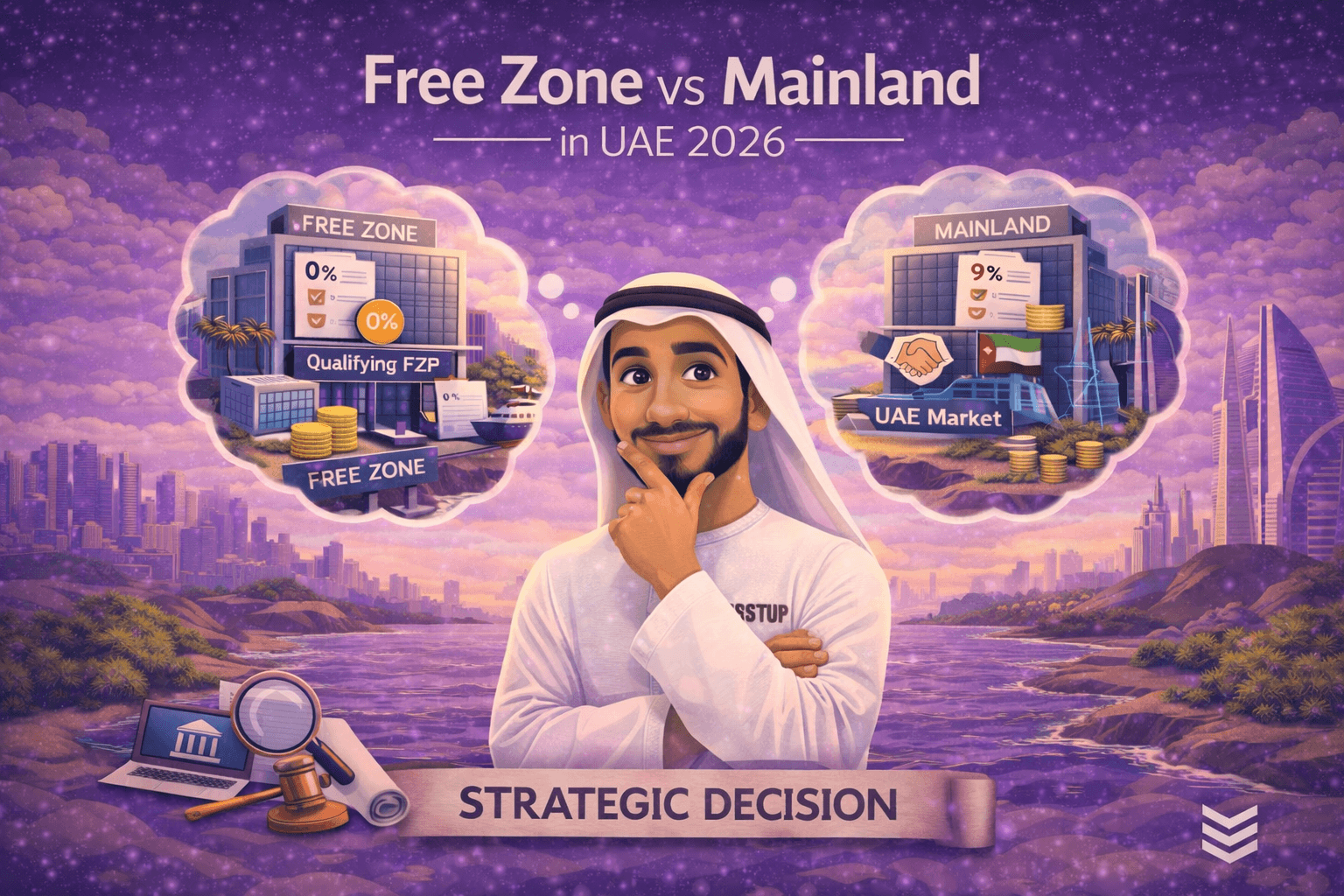
3.1. Free Zone and Mainland
Both models can be investment-ready. The difference lies in how licensing is structured, the infrastructure of the zone, regulatory requirements, and the operational reality (substance).
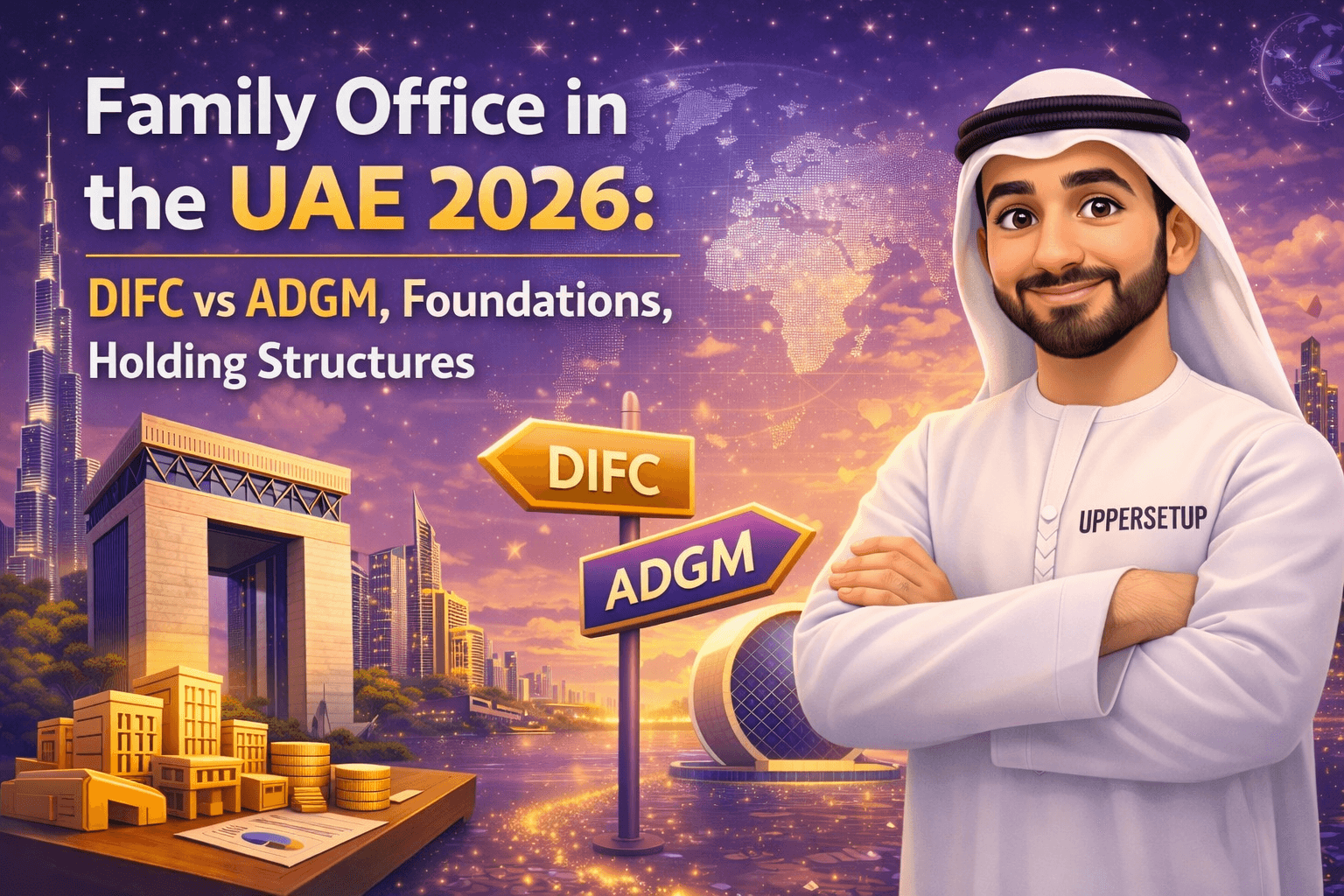
3.2. DIFC and ADGM as “Investor-Oriented” Environments
If the project targets institutional investors, funds, or the structuring of an investment holding company, DIFC or ADGM are often considered as separate legal and regulatory frameworks. The question is not “more expensive or cheaper,” but “which environment aligns with the intended transaction.”
4. Capitalization and Cap Table: What Breaks a Deal the Fastest
An investor’s first request is typically the cap table and a clear answer to the question: “Who owns what?”
4.1. A Proper Cap Table from Day One
The capitalization table must clearly show:
who the shareholder is (legally and beneficially);
the percentage of ownership;
conditions of share acquisition (vesting/encumbrances);
option obligations (ESOP/option plans);
pledges or encumbrances over shares, if any.
4.2. A Common Mistake: “We Agreed Verbally”
Verbal agreements on equity splits, return of investments, options, quasi-loans, and “we will formalize it later” almost always translate into valuation discounts or investor withdrawal.
5. Corporate Governance: Directors’ Resolutions, Minutes, Authority and Accountability
UAE commercial law requires compliance with corporate procedures and notification of material changes.
5.1. What an Investor Must See in the Corporate File
constitutional documents and their current versions;
shareholder/member register;
resolutions appointing directors;
minutes of key decisions (banking, contracts, loans, related-party transactions);
authority matrix (who signs what and within which limits).
5.2. Why This Directly Affects Valuation
If an investor identifies “corporate disorder,” risk is automatically priced in: contestable transactions, risk of authority challenges, potential banking and regulatory issues.
6. UBO and Ownership Transparency: Due Diligence Cannot Start Without It
The UAE applies a beneficial ownership (UBO) disclosure regime and requires companies to maintain relevant registers for mainland entities and most commercial free zones.
6.1. What Must Be Prepared
an up-to-date UBO register;
a shareholder/member register;
a register of nominee directors (if applicable);
evidence of submission or update in accordance with registrar requirements.
Investors will verify consistency between UBO records, corporate documents, bank disclosures, and contractual reality.
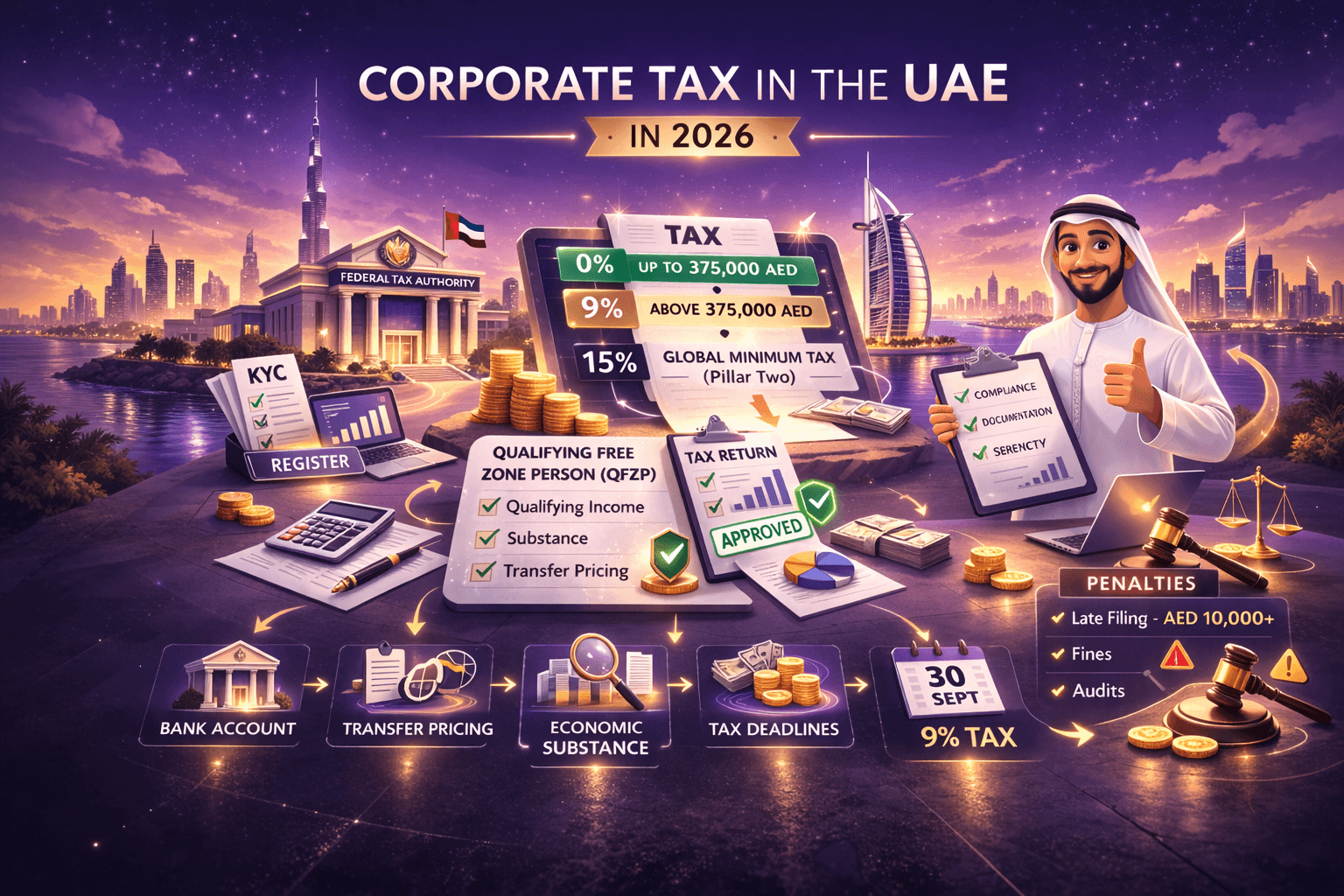
7. Corporate Tax in the UAE and the Transaction: Where Risks Arise (and Why “0%” Is Not a Shield)
Corporate tax in the UAE is governed by Federal Decree-Law No. 47 of 2022.
For Free Zones, regimes including Qualifying Free Zone Person status require strict compliance and documentation.
7.1. What Investors Review in Corporate Tax Compliance
registration for Corporate Tax and correctness of status;
financial year and accounting policies;
tax computations and adjustments;
presence of mandatory audits;
intra-group transactions and their justification.
7.2. Risk Number One: Related Parties and Transfer Pricing
If the structure includes group companies or related-party transactions, the investor will expect compliance with the arm’s length principle and appropriate documentation once thresholds are met. Master File and Local File requirements are established under Ministerial Decision No. 97 of 2023.
8. Intellectual Property and Product Rights: Who Actually Owns the Brand, Code, Domain and Content
For technology and service companies, intellectual property is the core asset.
8.1. What Must Be in Place Before Speaking to an Investor
domains and accounts registered in the company’s name, not in a founder’s personal email;
assignment or licensing agreements from developers and contractors;
employment agreements covering intellectual property rights;
trademark registration (if strategically relevant), or at minimum a documented registration strategy and proof of use.
8.2. A Typical Problem
The code was written by a contractor, the agreement was framed as a “services contract,” and IP rights were not assigned. In due diligence, this becomes “the company does not own its product.”
9. Contracts and Revenue: Investors Buy Predictability, Not Promises
9.1. Contract Checklist
signed agreements with key clients and suppliers;
clear payment terms, penalties, termination clauses;
absence of open-ended obligations without caps;
proper conflict of interest and subcontracting provisions;
clear data protection and confidentiality clauses, where applicable.
9.2. Revenue Recognition and Quality of Earnings
Investors focus not on “presentation turnover,” but on:
confirmed revenue reflected in financial statements;
accounts receivable and overdue balances;
client concentration (dependency on one to three clients);
gross margin quality and sustainability of unit economics.
10. Practical Structural Scenarios for a Future Transaction
Below are scenarios that typically pass due diligence more efficiently.
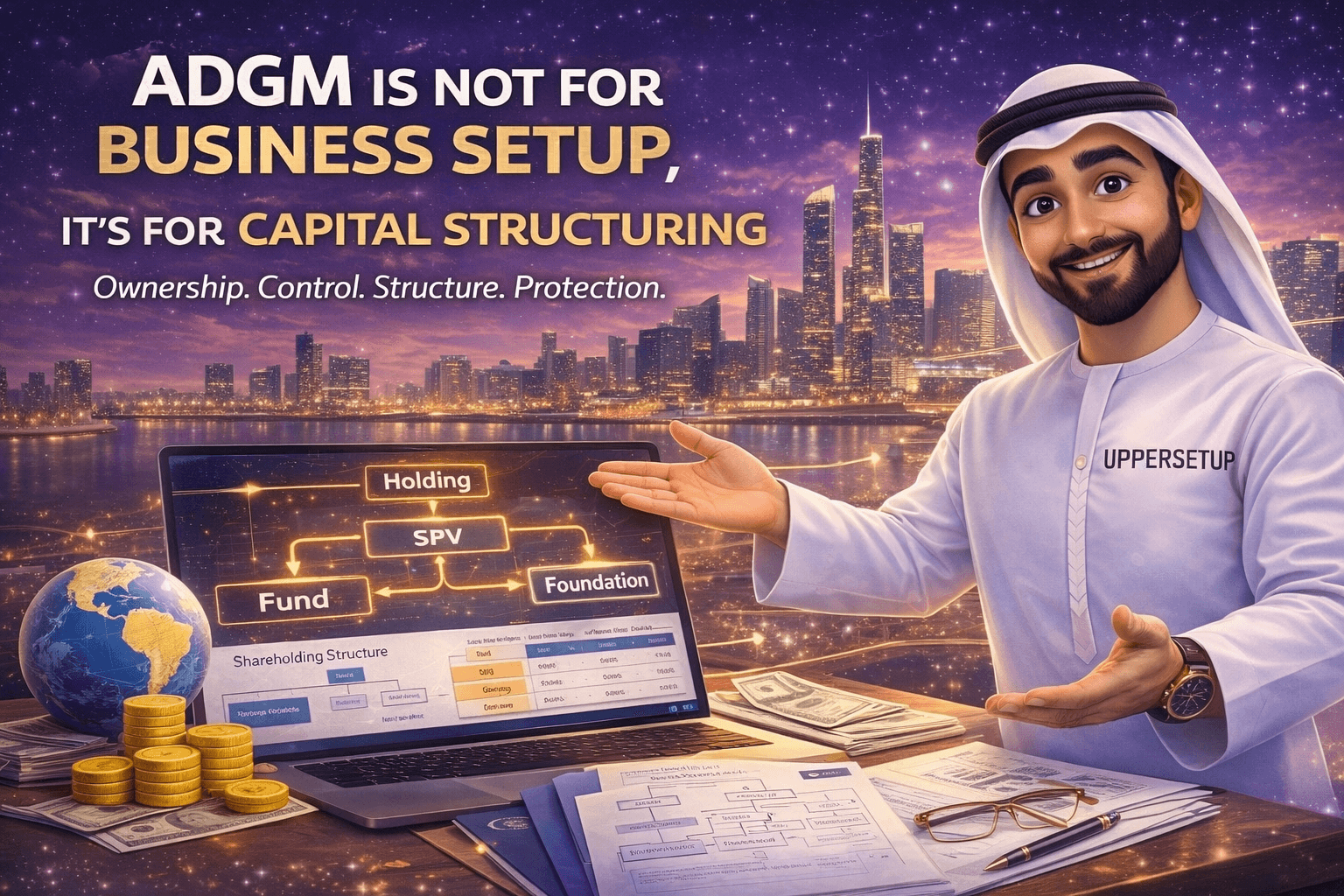
10.1. Operating Company + Holding Structure (for Growth and Investment)
the operating company holds contracts and generates revenue;
the holding company consolidates ownership and manages intellectual property and investments;
intra-group agreements are transparent and market-based (transfer pricing control).
10.2. Preparing for a Partial Founder Exit
option or buy-out mechanisms are clearly structured;
tag-along and drag-along rights are documented;
non-circumvention and non-compete rules are formalized.
10.3. Preparing for a Strategic Sale (Trade Sale)
clean legal transfer of contracts and licenses;
absence of undisclosed personal guarantees by founders;
protection of key contracts against automatic termination upon change of control.
11. Hidden Costs Entrepreneurs Do Not Calculate in the Context of a Transaction
These costs are rarely budgeted but directly reduce valuation during due diligence.
11.1. Repairing the Corporate File Before the Transaction
Collecting and reconstructing resolutions, registers, powers of attorney, UBO records, and updating registrar filings.
11.2. Accounting Normalization and Audit
If accounting was irregular or cash-based, historical periods may require reconstruction, revenue verification, and transaction explanations.
11.3. Tax Package Preparation
Corporate Tax calculations, clarification of Free Zone/QFZP status, related-party disclosures, transfer pricing documentation — all become separate projects.
11.4. Intellectual Property Rectification
Assignment of rights, correction of developer agreements, transfer of domains and accounts to the company, elimination of “personal ownership” of key assets.
12. How UPPERSETUP Approaches “Structure for a Deal,” Not “Registration for the Sake of Registration”
If the objective is investment or sale, we build the structure as an investment-grade asset:
- Company formation in the UAE with future scalability in mind;
- Corporate tax compliance supported by a structured calendar and documented evidence base;
- Transfer pricing control for group companies and related parties;
- Regulatory monitoring to ensure regulatory changes do not become unexpected risks;
- Preparation of the corporate file in line with due diligence standards.
If the project requires complex licensing, UPPERCASE is engaged as a separate legal and regulatory track.
All services on the platform
Everything you need to start and run a business - in one place
- 3–5 days
Company Setup
Mainland or Free Zone company with a complete set of incorporation documents
Start - Monthly
Accounting Services
Financial accounting and reporting in accordance with UAE requirements
Start - 1–2 weeks
Visa Services
Residence visas for shareholders, employees and family members
Start - 7–30 days
Banking Services
Corporate Bank Accounts in the UAE and Payment Services
Start - Custom timeline
Legal Services
Contracts, corporate amendments and legal support
Start


