


































































































 International Free Zone Authority
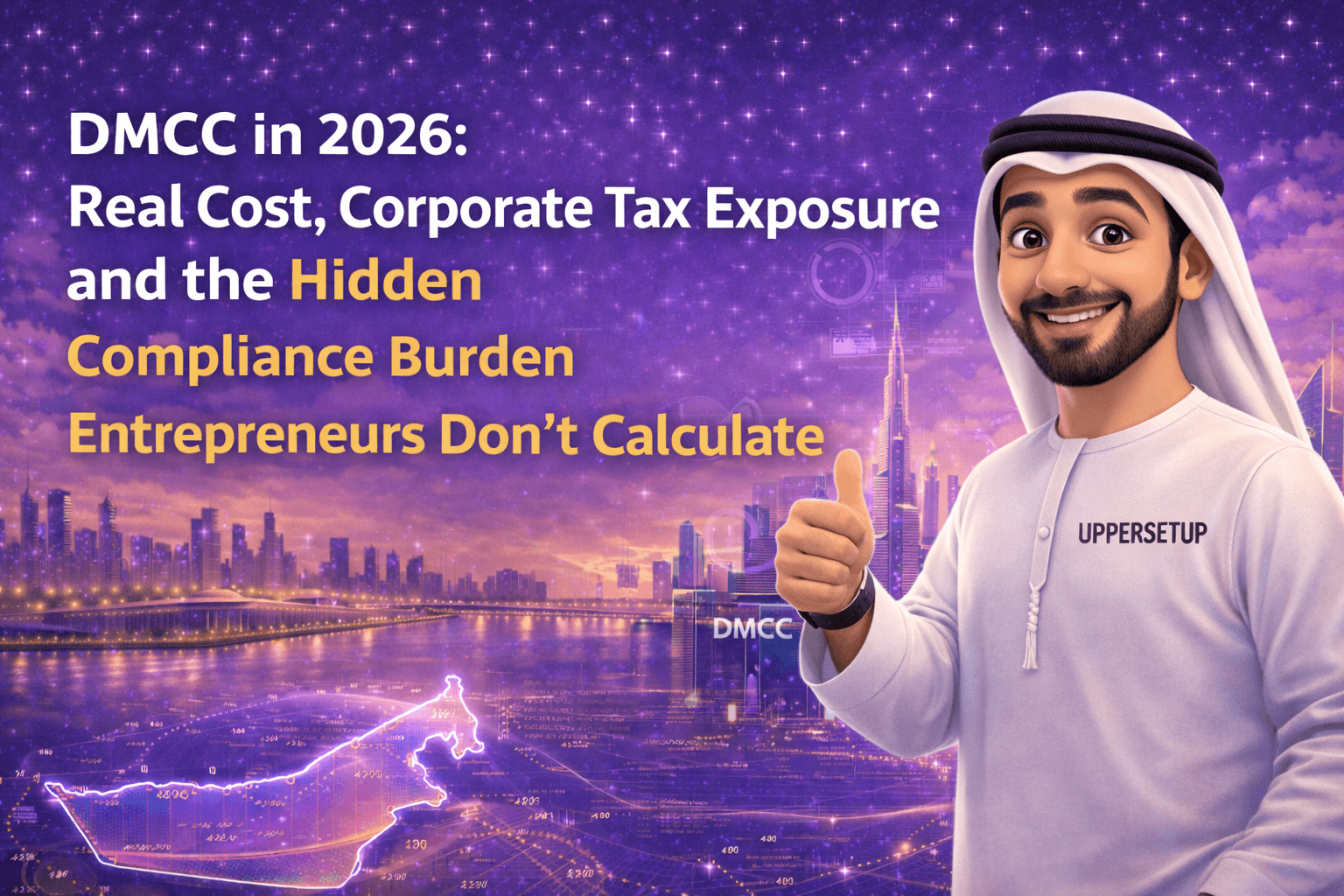
DMCC in 2026: The Real Cost, Corporate Tax Risks, and the Hidden Compliance Burden Entrepreneurs Do Not Calculate
1. Why Choosing a Free Zone in 2026 Is Not About “Where It’s Cheaper,” but “Where You Survive on Compliance”
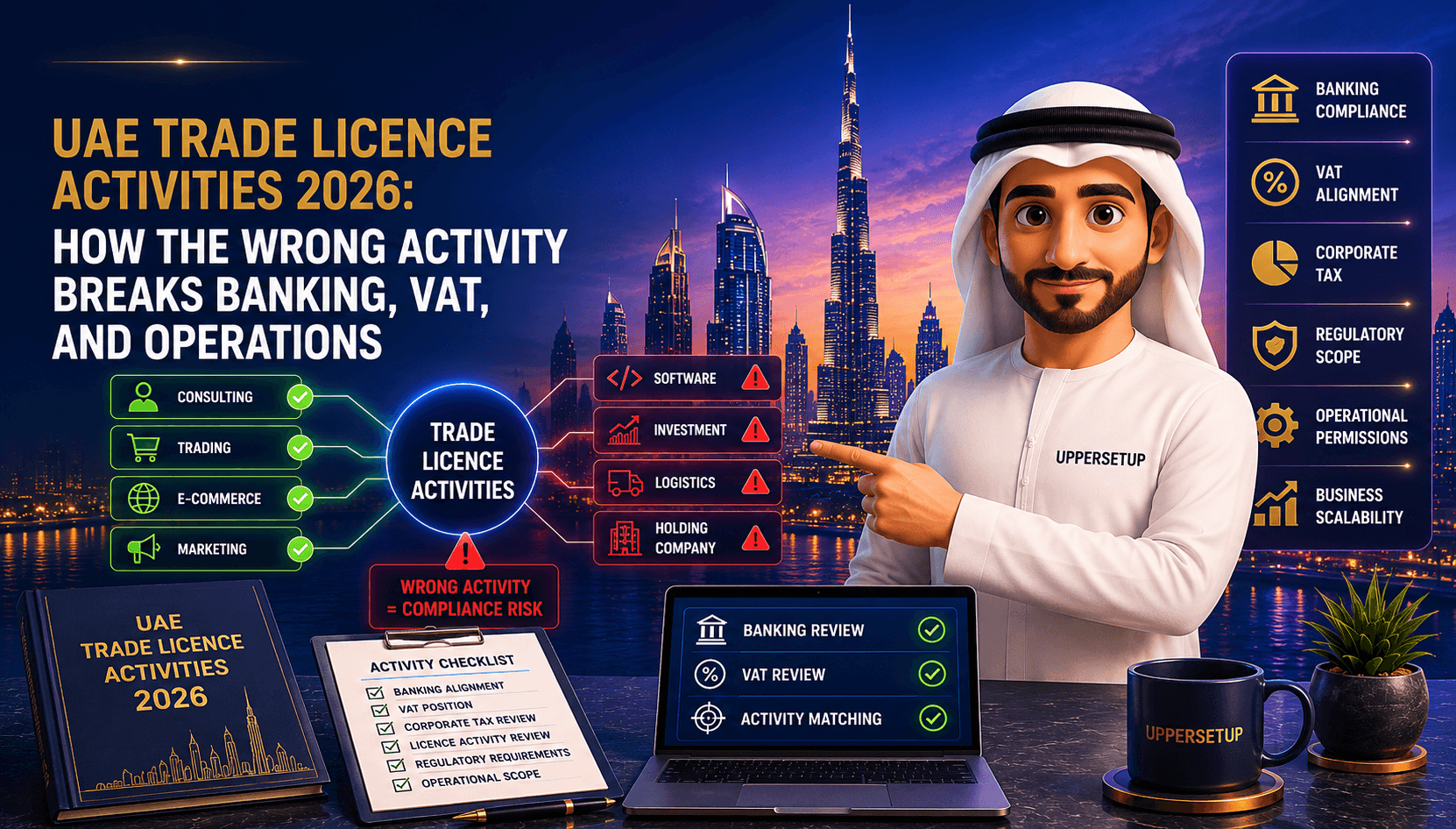
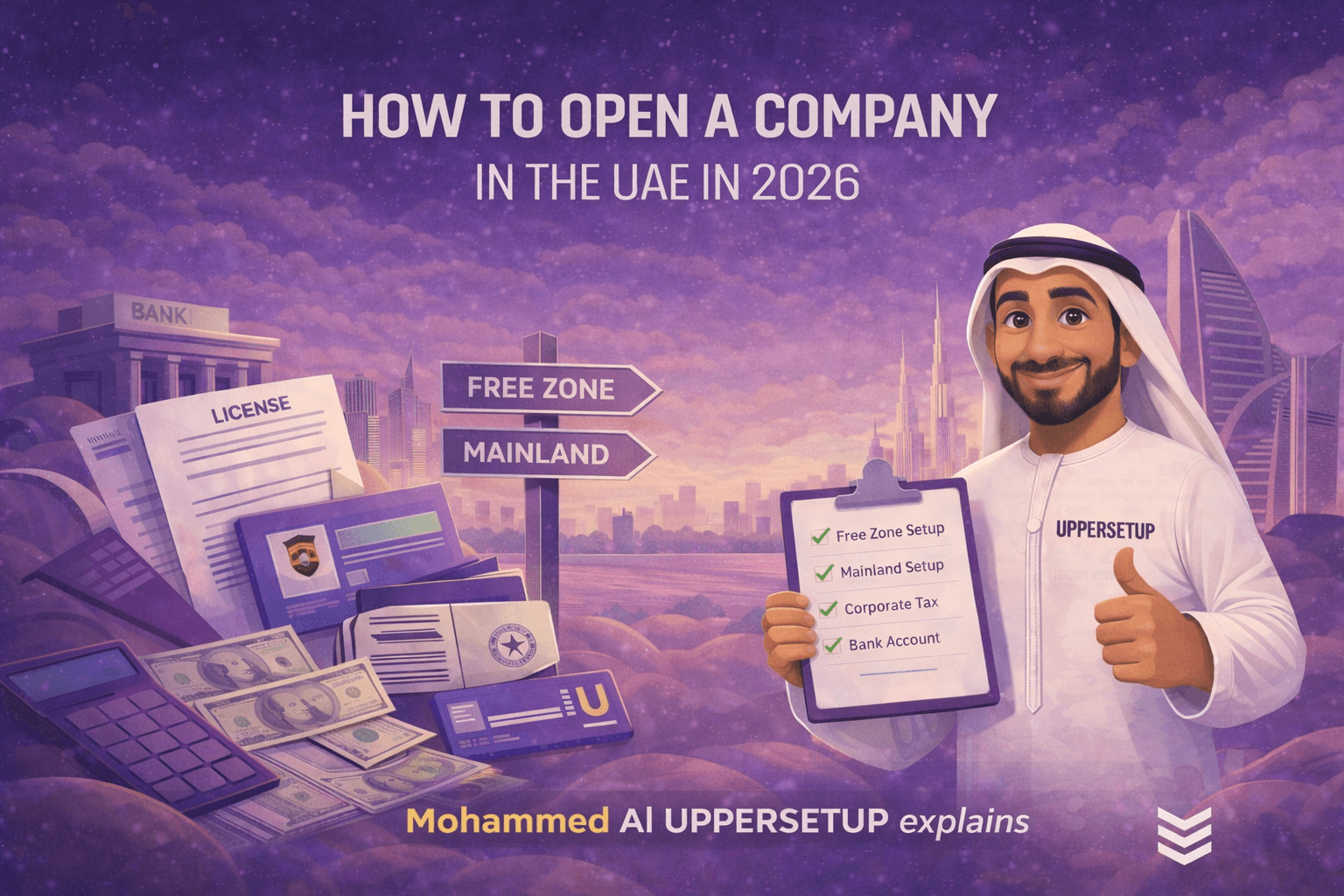
In 2026, a company in the UAE can indeed be registered quickly. Procedures are digitalized, licensing is standardized, and timelines are predictable. The complexity arises later — when the business starts operating: going through annual renewals, audit, corporate tax, transaction reviews, confirming economic substance, and explaining the structure to banks and regulators.
Choosing a Free Zone today is not a question of the initial license cost. It is a question of structural sustainability under corporate taxation, transaction control, and enhanced compliance requirements.
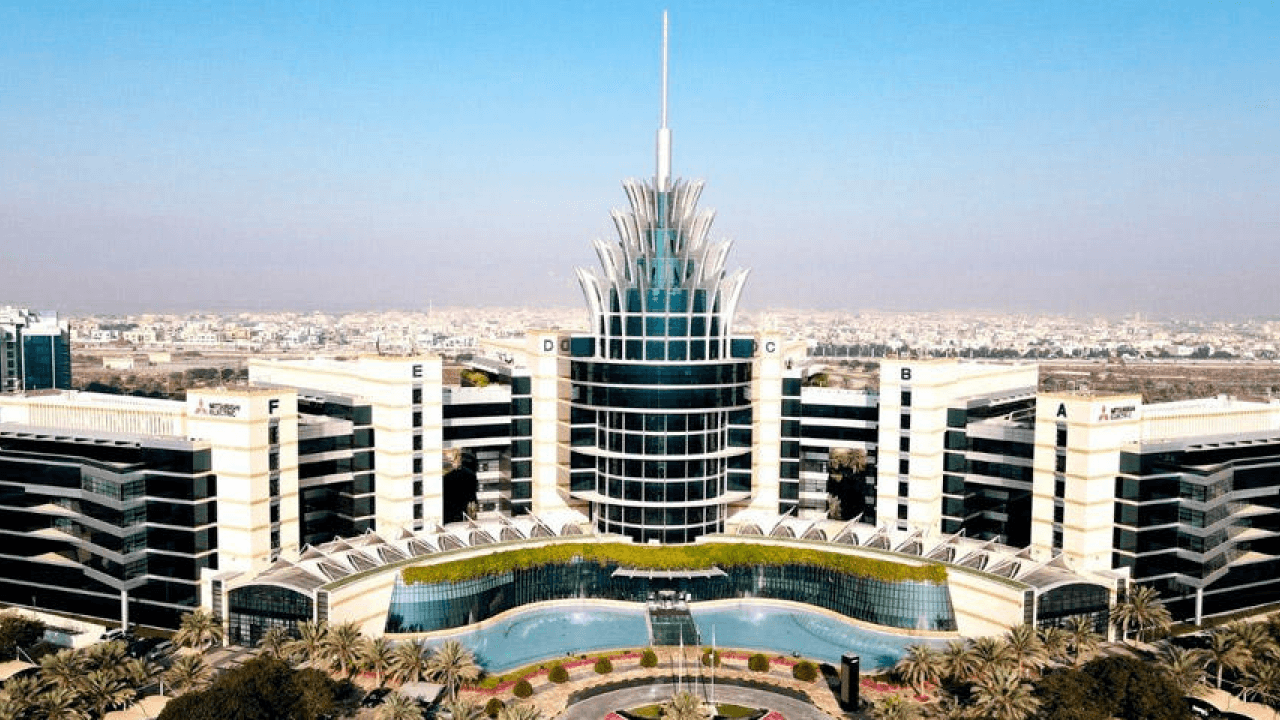
In this article, the analysis is conducted using DMCC (Dubai Multi Commodities Centre) as an example — one of the most systematically organized Free Zones in Dubai. It is precisely in this environment that it becomes especially clear where entrepreneurs lose money “between the lines.”
2. DMCC in Numbers: Basic Official Fees That Everyone Sees
DMCC publishes an official document called the Schedule of Charges, which sets out registration fees, annual payments, and the cost of amendments.
It is important to consider that fee amounts and package structures may be updated. Practice shows that the final budget must always be based strictly on the most recent invoice issued by the Free Zone.
The basic cost structure usually includes:
Application / Registration / License issuance
Annual license renewal
Amendments to incorporation documents
Addition of business activities
Correction of company data
However, the entrepreneur sees only the “Free Zone fees.” The real cost of owning and operating the structure is formed differently.
3. Hidden Costs That Are Not Included in the Budget
3.1 Audit and Financial Reporting
DMCC companies are required to submit audited financial statements.
This is not optional, but part of the mandatory annual procedure.
The costs include:
Audit fees (depending on turnover and transaction structure)
Restoration of accounting records if proper bookkeeping was not maintained
Coordination with auditors
Time required to prepare financial statements
Audit is a process. It cannot be “completed in one day.”
3.2 Economic Substance and Actual Presence
Even in the absence of strict formal economic substance requirements, the market is moving toward verification of business reality.
The following are assessed:
Place where management decisions are made
Presence of management personnel
Actual office space
Alignment between licensed activity and real operations
Documentary evidence of transactions
Costs that arise:
Office package upgrade
Personnel expenses
Development of internal policies
Organization of document management
3.3 Corporate Tax: Money Is Spent on Compliance, Not the Rate
Even when potentially applying the zero percent rate under the QFZP regime, a company must:
Register with the Federal Tax Authority
Submit a tax return
Comply with qualifying income rules
Substantiate the transaction structure
The costs include:
Tax registration
Preparation of corporate tax calculations
Control of related party transactions
Preparation of transfer pricing documentation
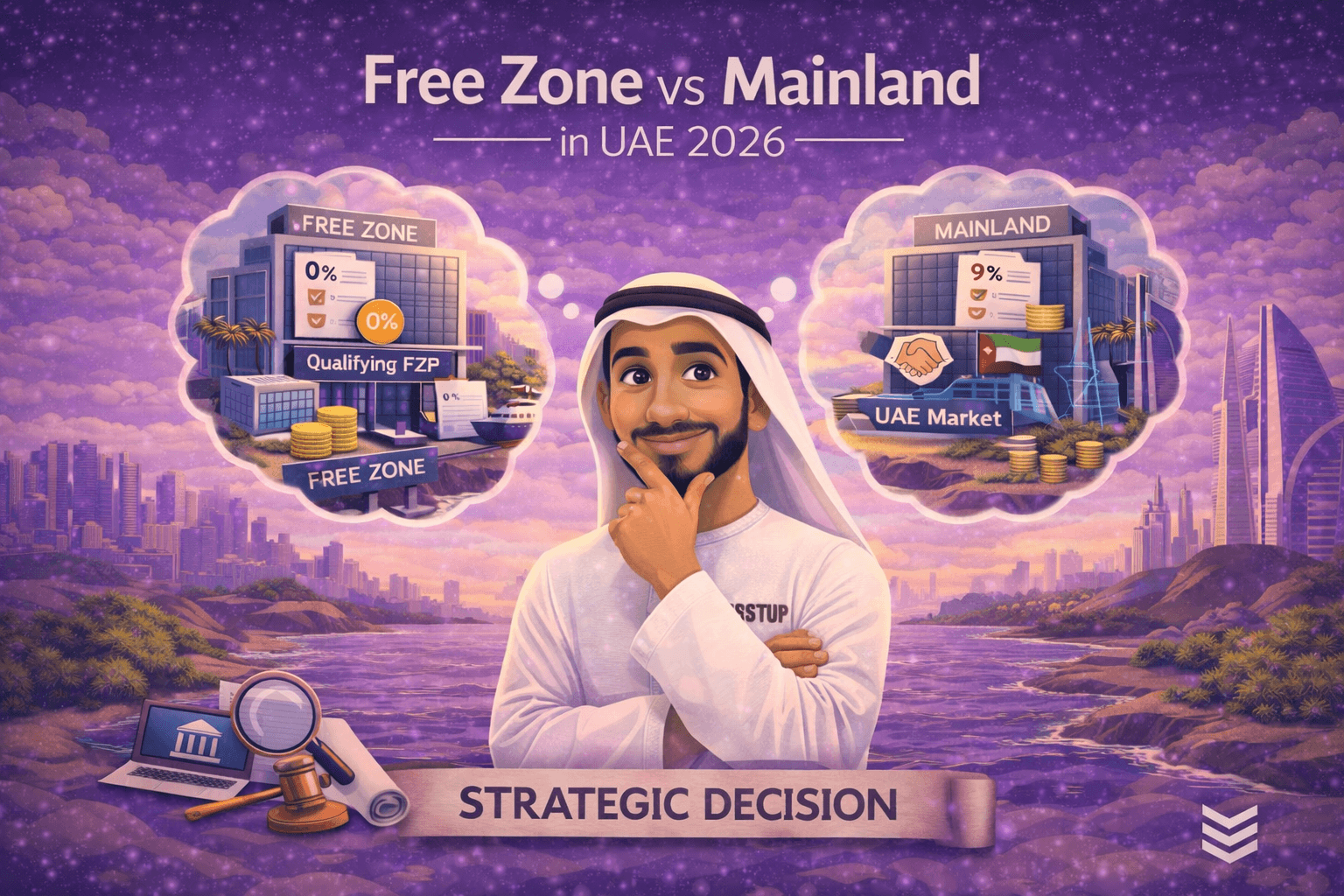
4. The Main Mistake of 2026: Free Zone Does Not Automatically Mean 0 Percent
The Qualifying Free Zone Person regime applies only if the established criteria are met.
Failure to comply with the conditions results in application of the standard corporate tax rate.
The zero rate is not a characteristic of the Free Zone. It is a regime that requires annual confirmation.
5. Practical Structural Scenarios: When DMCC Is Justified
5.1 Trading and International Contracts
DMCC is appropriate when the following are important:
Structured licensing
Transparent reporting
Audit discipline
Scalability
5.2 Holding Model
A common approach:
Holding company
Operating company in a Free Zone
Transparent intra-group agreements
When structuring investment or holding models, DIFC and ADGM are often compared.
The issue is not registration cost. The issue is the legal environment and the long-term cost of compliance.
6. Penalties and Risks: Why Missing a Deadline Becomes the Most Expensive Decision
Corporate tax provides for administrative penalties for:
Late registration
Failure to file tax returns
Calculation errors
Violation of deadlines
In 2026, those who manage their compliance calendar win.
7. UPPERSETUP Approach: Not Registration, but Structural Architecture
We approach a project not as “company formation,” but as building a systematic business architecture.
Main directions:
Company formation in the UAE with future scalability in mind
Corporate tax compliance
Transfer pricing control
Regulatory monitoring
Preparation of infrastructure for growth
Where complex licensing is required, UPPERLICENSE is involved as a specialized track.
8. Checklist Before Choosing DMCC
All official Free Zone fees
Audit and accounting
Corporate tax obligations and deadlines
Economic substance
Intra-group agreements
12–24 month growth plan
9. Legal Framework and Official Sources
Corporate Tax Law
Federal Decree-Law No. 47 of 2022
Federal Tax Authority
Corporate Tax Legislation & Guidance
DMCC Official Website
Read more on the topic
All services on the platform
Everything you need to start and run a business - in one place
- 3–5 days
Company Setup
Mainland or Free Zone company with a complete set of incorporation documents
Start - Monthly
Accounting Services
Financial accounting and reporting in accordance with UAE requirements
Start - 1–2 weeks
Visa Services
Residence visas for shareholders, employees and family members
Start - 7–30 days
Banking Services
Corporate Bank Accounts in the UAE and Payment Services
Start - Custom timeline
Legal Services
Contracts, corporate amendments and legal support
Start


