




































 International Free Zone Authority
Which Companies Are Best Registered in RAKEZ in the UAE and Why
1. Why RAKEZ Deserves Special Attention in 2026
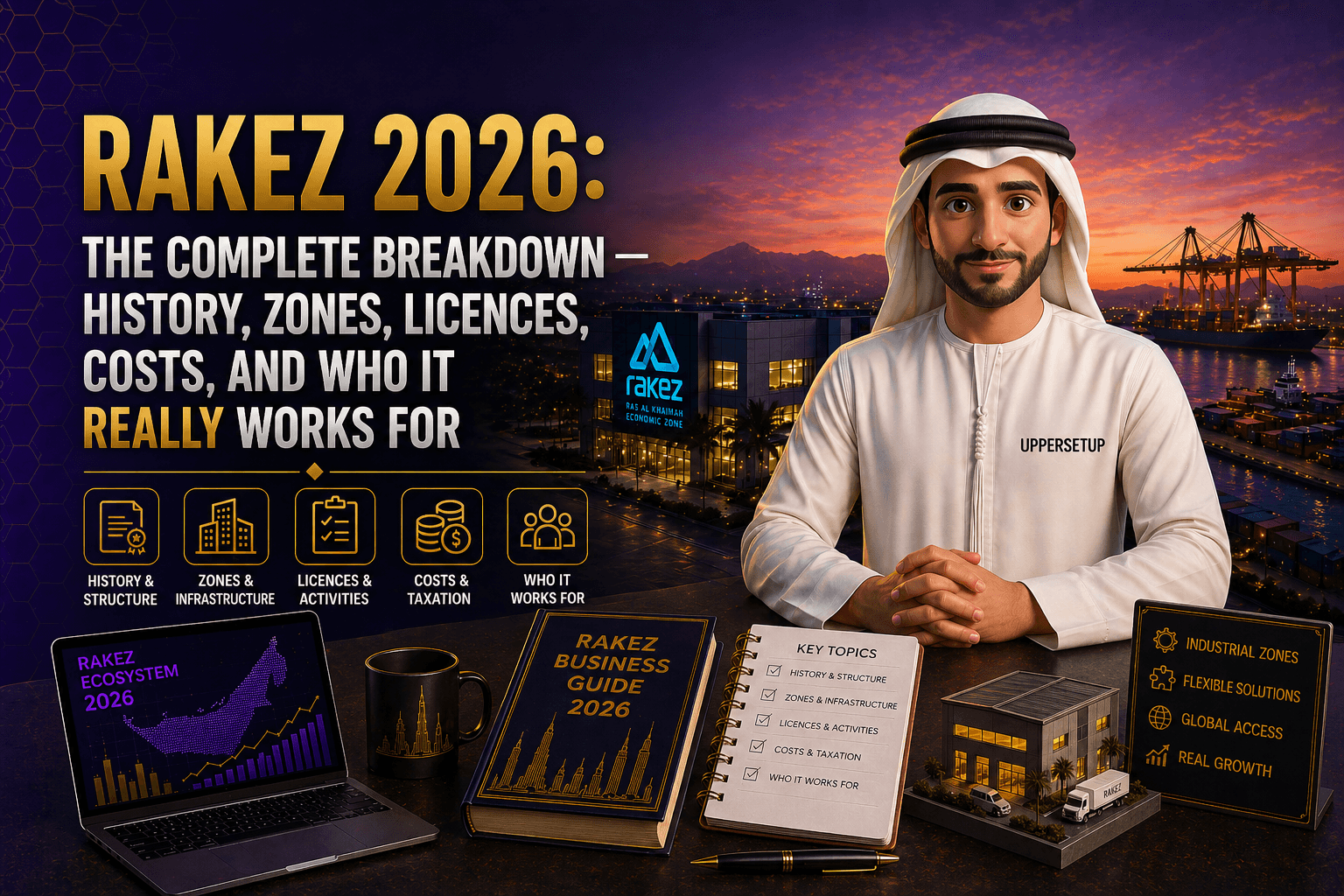
RAKEZ is not just another free zone in the UAE and not simply a “cheap company registration option.” Its strength lies elsewhere: it combines licensing flexibility, operational infrastructure, and an industrial-logistics orientation, which many more “office-focused” jurisdictions often lack. Officially, RAKEZ offers solutions both for free zone business and for non-free zone business, as well as different types of organizational and legal forms of companies and developed infrastructure and business facilities — from workspaces to warehouses and industrial land plots.
That is precisely why RAKEZ is especially interesting not only for those seeking company registration in the UAE, but also for those who need a real operating base for trade, storage, manufacturing, assembly, e-commerce, or a service business with an international model. Put simply, RAKEZ is a jurisdiction where it is easier to combine opening a company in the UAE with real operational activity, rather than merely obtaining a license and a flexi desk.
In 2026, this is especially important because after the introduction of corporate tax in the UAE, the question of choosing a zone ceased to be only a question of price. Now it is necessary to assess whether the structure can withstand:
— the tax regime;
— banking compliance;
— accounting and reporting requirements;
— future business growth.
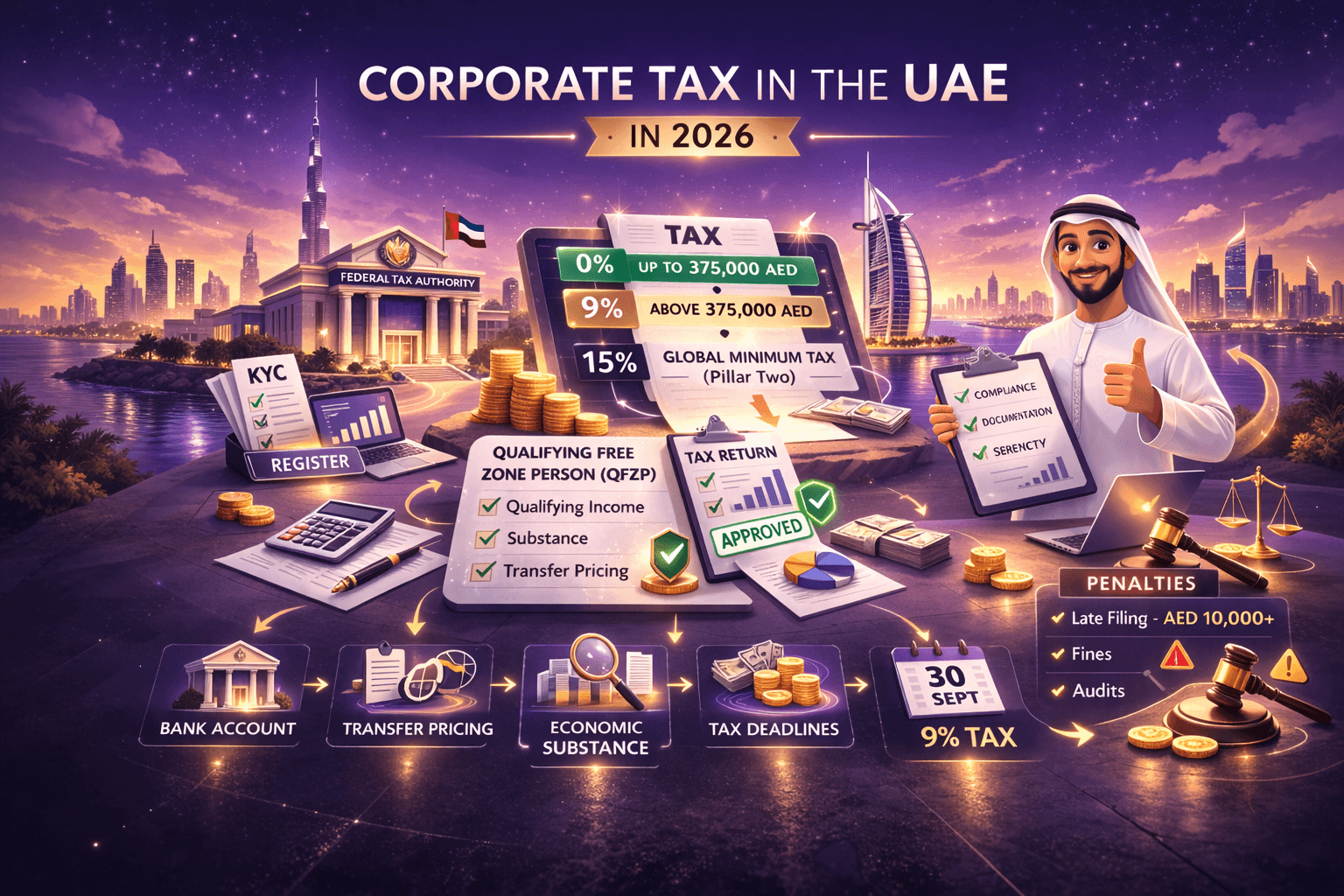
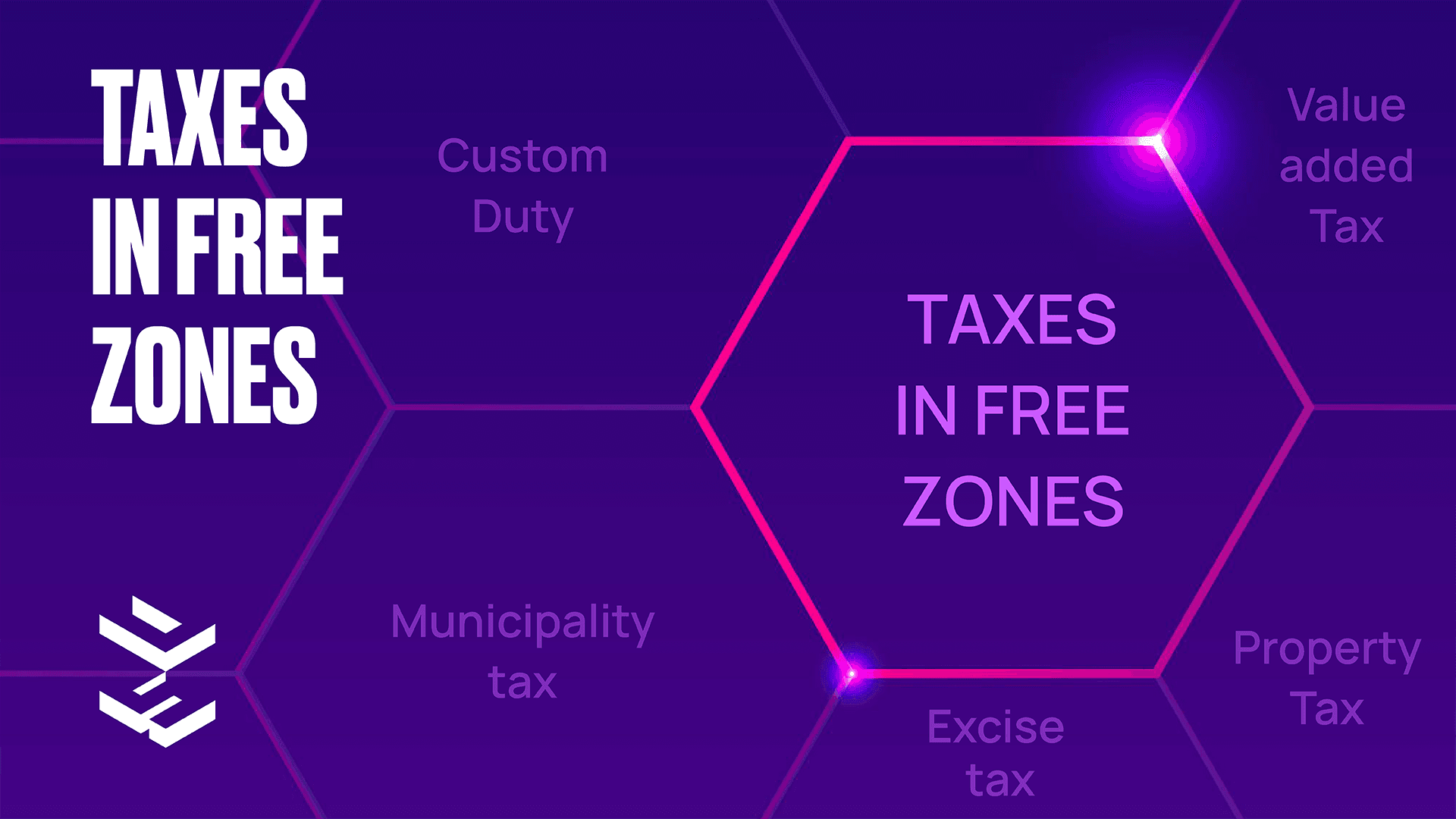
Corporate tax in the UAE applies to legal entities incorporated in the UAE, and free zone status in itself does not automatically exempt a company from taxation — the key factor is compliance with the rules of Qualifying Free Zone Person.
2. What Really Distinguishes RAKEZ from Many Other Free Zones in the UAE
2.1. RAKEZ Is Not Only a License, but Also Infrastructure
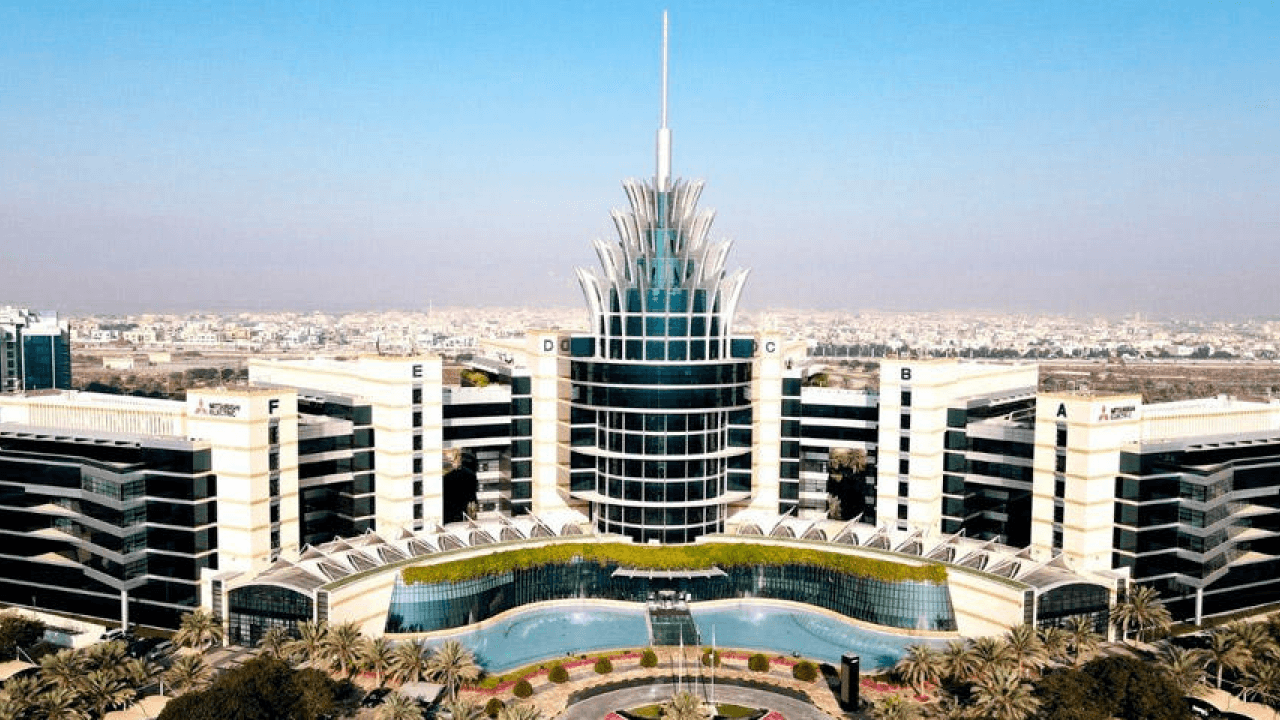
Official RAKEZ materials show that the zone offers a wide range of infrastructure and business facilities: coworking spaces, serviced offices, standard office premises, warehouses, and industrial land plots.
This means that RAKEZ is designed from the outset not only for consultants, freelancers, and small office-based companies, but also for businesses that need a warehouse, a production site, physical logistics, and staff accommodation.
For an entrepreneur, this is of fundamental importance. In many UAE zones, the model comes down to the company “legally existing,” while its operating environment is weakly developed. In RAKEZ, the situation is different: here it is easier to build a company that has a physical footprint — warehouse, production, packing, packaging, an import-export cycle. This is exactly what makes RAKEZ strong in the segments of international trade, manufacturing, and logistics.
2.2. Flexibility in Legal Forms of Companies and Licenses
RAKEZ offers several legal entities, including Free Zone Limited Liability Company (FZ-LLC), branches, and separate non-free zone forms. Separately, the zone states that it has both free zone and non-free zone solutions, as well as a dual business licence for certain operating models. This is important for a business that thinks in advance not only about launch, but also about future architecture: ownership, access to the local market, branches, restructuring.
From a licensing perspective, RAKEZ works with a wide range of activities. Official materials specify the main license types, including commercial, industrial, professional, tourism, craftsman, and agricultural licenses.
For an entrepreneur, this means that the zone is suitable not for one narrow sector, but for several different business profiles.
2.3. RAKEZ Is Often Chosen Because of the Combination of Price and Practicality
RAKEZ действительно positions itself as a cost-effective solution for business in the UAE and offers customizable launch packages. But here it is important to make a precise qualification: a low entry cost is a plus, not a strategy in itself. A good zone is not the cheapest zone, but the one that matches your income model, operational requirements, banking profile, and tax architecture. RAKEZ is good where its infrastructure and legal model work together with the business.
3. Which Companies Are Truly Best Registered in RAKEZ
3.1. International Trading Companies
The first and perhaps the most logical category is international trading companies: import, export, wholesale trade, re-export, sourcing, B2B distribution, and companies operating through international supply chains.
Why RAKEZ specifically? Because a trading company in a free zone must not only be registered, but also be able to service the trading flow. For this, the following matter: a license, warehouse infrastructure, convenience for re-export, the availability of storage and logistics infrastructure, as well as a reasonable cost of operational presence. RAKEZ is strong precisely in this profile. The zone has warehouse and industrial solutions, and for companies registered in the RAKEZ free zone, the absence of customs duty on re-exported goods is officially provided for, as well as the ability to operate in the UAE local market through a local agent.
Practically speaking, RAKEZ is especially suitable for the following models:
— international distribution of goods without a focus on retail in the UAE local market;
— a company purchasing in Asia and selling to the GCC, Africa, or the CIS;
— an export-import trader that needs warehousing, consolidation, and dispatch;
— a B2B trading company working through international suppliers and distributors.
For such companies, RAKEZ is strong precisely as an operational trading hub, and not merely as a place of incorporation.
But it is precisely trading companies where the most frequent tax mistake arises. Many still think: “a trading company in a free zone = 0% corporate tax.” This is incorrect. A free zone company may apply 0% only if it complies with the Qualifying Free Zone Person regime, and this already depends on the nature of the income, the client structure, the types of operations, and compliance with accounting and reporting requirements. The FTA expressly states that the guide for free zone persons describes the conditions under which a free zone company (Free Zone Person) may be treated as a qualifying free zone person (QFZP — Qualifying Free Zone Person) and may apply a 0% corporate tax rate if it complies with the established requirements and its activity relates to qualifying activities and does not fall under excluded activities.
That is exactly why an international trading company in RAKEZ is a good choice, but only if the model is structured so as not to destroy the tax status and not to create banking risks.
3.2. Manufacturing Companies and Light Industry
The second category — companies for which RAKEZ is especially strong — is manufacturing and industrial businesses. And here the zone truly differs favorably from many free zones in the UAE.
RAKEZ officially positions itself as one of the leading industrial hubs. This is confirmed by its own website description, as well as the set of infrastructure: warehouses, industrial plots, industrial placement capability, and support for a broad range of industrial activities.
Which manufacturing companies logically should be considered for RAKEZ:
— light industry;
— assembly and packaging operations;
— processing of products connected with the food industry, subject to sectoral requirements;
— furniture, construction materials, industrial supplies, processing, and finishing;
— production where warehouse, land, logistics support, and reasonable CAPEX at the start are critical.
The advantage of RAKEZ here lies not only in a license of the industrial type, but also in the fact that the zone does not force a manufacturing business to “adapt to an office ecosystem.” A manufacturing company in RAKEZ can build a real substance model — and this already affects bank readiness, corporate tax defensibility, and the company’s due diligence profile.
Separately, it is important that a manufacturing business usually looks stronger in the eyes of a bank than an “empty trading company without physical presence.” Under the banking risk-based approach, a real office, warehouse, equipment, personnel, and a clear supply chain often increase trust in the structure. This is already a conclusion drawn from the combination of AML/KYC rules and real banking practice in the UAE, rather than a separate RAKEZ rule. But for an entrepreneur, the conclusion is simple: if the business is genuinely operational, RAKEZ often works better than more expensive but less industrial zones.
3.3. E-Commerce and Online Trade
The third category is e-commerce, marketplace sales, and trading through digital platforms and online channels.
RAKEZ itself publishes materials on launching an e-commerce business in the UAE, and also includes e-commerce and online business topics in its product materials. This is a clear sign that the zone sees this segment as one of its target markets.
However, precision is required here. Not every e-commerce business is automatically better registered in RAKEZ. RAKEZ is especially suitable for those online projects that:
— trade internationally, not only within the UAE;
— want to combine online sales with warehouse / fulfilment logic;
— operate as cross-border e-commerce;
— want to reduce the entry cost at the stage of opening a company in the UAE.
In such cases, RAKEZ can be a very rational choice: a low entry threshold, the ability to start without an expensive office, and, where necessary, to connect warehouse infrastructure and build an export-trade model.
But if the e-commerce project is oriented primarily toward the local market, delivery to local consumers, and dense work with the Dubai market, it is necessary to assess separately whether a free zone structure is sufficient or whether an additional mainland layer, distributor model, or other go-to-market strategy will be required. That is, the question is no longer “can e-commerce be opened in RAKEZ,” but rather “does RAKEZ fit the specific sales model.” And these are fundamentally different questions.
3.4. Consulting Companies, Freelancers, and Small Service Businesses
RAKEZ also actively develops the segment of professional licenses for freelancers and consultants. In its official materials, the zone expressly states that the professional license is intended for service providers — consultants, designers, trainers, IT specialists, writers, and other knowledge-based professionals.
This means that RAKEZ is suitable for:
— business consulting;
— IT and digital services;
— marketing and creative industries;
— training, education, consulting;
— individual entrepreneurs and early-stage startups.
Why RAKEZ often works well here:
— relatively affordable entry cost;
— availability of professional licenses;
— the ability to quickly establish a working structure;
— moderate maintenance cost at the start;
— basic infrastructure for invoicing, contracting, the bank account opening process, and obtaining visas.
But there is also an important boundary here. If you are building a premium consulting brand, a financial consulting platform, an investor-facing consultancy, or a structure where the location value itself is part of the business value and sells the service, then RAKEZ will not always be optimal. For some high-end service businesses serving wealthy or institutional clients, DIFC or another financial/Dubai ecosystem may be stronger in the perception of banks, investors, and clients. This does not mean that RAKEZ is “weak.” It means that the zone suits some types of service companies better than others.
4. Which Companies Can Be Registered in RAKEZ, but Only with the Right Structure
There is also a more complex category of companies for which RAKEZ may be applicable, but only if the structure is thought through in advance.
These include:
— holding companies;
— international groups with intra-group services;
— IP-light structures;
— coordinating companies for a group.
RAKEZ indeed offers different organizational and legal forms, and its materials expressly mention a broad variability of legal form options. However, if the structure is built not simply for asset ownership, but for complex tax architecture, related parties, connected persons (in the UAE corporate tax context — individuals related to the owners or controlling the company), transfer pricing, and future investment due diligence, the issue goes far beyond whether a free zone is suitable. In such a case, it is necessary to assess not only registration, but also the future defensibility of the structure before the bank, the FTA, and the investor.
That is, RAKEZ may suit holding companies if the task is clear and moderate in complexity. But if we are talking about a sophisticated investment platform, a private wealth structure, or a fund-facing architecture, the entrepreneur needs to compare RAKEZ separately with DIFC and ADGM.
5. When RAKEZ Is Most Often Not the Best Choice
The most common mistake in the market is to choose RAKEZ solely because it is one of the more affordable zones for company registration. This may work, but it may also create additional costs later.
RAKEZ is most often not the best choice if:
— the business critically needs premium association with Dubai;
— the model is focused on financial services, wealth management, regulated investment activity;
— the company is built for a fund, an institutional investor story, or complex private capital architecture;
— sales and operational logic are tied predominantly to the UAE local market rather than to an international or B2B contour.
In such cases, the problem is not with RAKEZ itself, but with the fact that the entrepreneur compares only the cost of the license, rather than the total cost of the correct structure over a 12–24 month horizon. And it is exactly over that horizon that banking compliance, corporate tax compliance, transfer pricing exposure, growth constraints, and due diligence questions appear.
6. The Tax Regime of RAKEZ: Where Entrepreneurs Most Often Make Mistakes
This is one of the most sensitive sections, and precision is essential here.
6.1. Free Zone Does Not Automatically Mean 0% Corporate Tax
With the introduction of corporate tax in the UAE, the rules changed fundamentally. UAE corporate tax applies to legal entities registered in the UAE, and free zone companies are no exception. The FTA expressly states: corporate tax applies across the UAE, and free zone status in itself does not exempt a company from taxation.
For a free zone person to genuinely use the 0% rate, it must comply with the Qualifying Free Zone Person regime. This requires compliance with a range of conditions, including the nature of the income, the absence of a disqualifying profile, audited financial statements, and other requirements disclosed in the Corporate Tax Guide for Free Zone Persons.
6.2. Why Old Wording on Free Zone Websites Cannot Be Read Literally
On the RAKEZ organizational and legal forms page, the wording “zero income and corporate taxation” for a free zone entity still appears. But after the entry into force of UAE corporate tax, this phrase cannot be understood literally as unconditional tax exemption. This is a typical example of why an entrepreneur should not rely solely on a zone’s marketing description and must verify the tax position against the current law and FTA guidance.
6.3. Transfer Pricing Rules Apply Even Within the UAE
The FTA expressly answers that transfer pricing rules apply both to domestic and to cross-border transactions between Related Parties and Connected Persons, regardless of whether they are in the mainland, in a free zone, or outside the UAE. This means that a company in RAKEZ cannot ignore transfer pricing just because it is in a free zone.
That is exactly why, for trading, holding, service, and group structures in RAKEZ, the question should be framed as follows:
not “do I have a free zone license,” but “what is my tax position, and can I defend it?”
7. Hidden Risks That Entrepreneurs Often Underestimate
7.1. Banking Risk
Obtaining a license and opening a bank account are not the same procedure. RAKEZ itself offers bank account opening support, which already shows that the banking stage is a separate track. The bank will look at the UBO, source of funds, counterparties, business model, and transaction logic, rather than how quickly the license was issued. For international trade and cross-border e-commerce, this is especially important.
7.2. Tax Risk
After the introduction of UAE corporate tax, any company in RAKEZ must assess:
— whether it is registering for corporate tax;
— whether it complies with the QFZP regime;
— whether it has related parties / connected persons;
— whether it needs transfer pricing documentation;
— how accounting and record retention are structured.
The FTA separately states that corporate tax registration is required even for those already registered for VAT.
7.3. The Risk of Choosing the Wrong Free Zone for the Local Market
If an entrepreneur wants to sell actively within the UAE local market, but chooses RAKEZ solely because the cost is lower, questions often arise later: how to legally organize local sales, whether a local agent is needed, what the distributor model looks like, how the bank perceives local revenue patterns. RAKEZ free zone companies do indeed have access to the local market through a local agent, and this is important to consider from the outset, not after opening the company.
7.4. The Risk of Underestimating Substance
A license in itself does not replace:
— accounting;
— management processes;
— documents for operations;
— real business presence.
If the business model предполагает international trade, warehouse, employees, logistics, or group operations, the absence of substance quickly turns into a risk for the bank, tax authorities, and future due diligence.
8. Practical Conclusion: For Whom RAKEZ Is Best Suited
If one removes the marketing noise and looks at RAKEZ as a tool, then it is most logically chosen by the following companies:
8.1. International Trade and Re-Export
If the business has a B2B trading model, an export-import contour, international suppliers, and a need for warehousing/logistics, RAKEZ is often a very strong choice.
8.2. Manufacturing, Assembly, Packaging, Warehouse Business
If a warehouse, industrial plot, assembly, light manufacturing, or warehouse-centric business is required, then RAKEZ looks much stronger than many “office-based” zones.
8.3. E-Commerce with an International or Fulfilment Logic
If the online business is not limited to local sales within Dubai, but is building a warehouse or export model, RAKEZ often offers a good balance between cost and functionality.
8.4. Freelancers, Consultants, Small Service Businesses
If an economical entry, a professional license, and a working structure for invoicing, visas, and bank readiness are needed, RAKEZ can be a very rational choice.
8.5. Operational B2B Companies
If practical infrastructure and economics are more important to the business than a “prestigious Dubai address,” RAKEZ often proves stronger in terms of economics.
9. The UPPERSETUP Approach to Choosing RAKEZ
At UPPERSETUP, the correct question does not sound like this:
“Can a company be opened in RAKEZ?”
The correct question sounds like this:
“Does RAKEZ fit your operational model, tax architecture, and banking profile?”
Therefore, when choosing RAKEZ, one should analyze not only the price of the license, but also:
— the type of income;
— the geography of clients and suppliers;
— the need for warehouses / land / offices;
— bank readiness;
— corporate tax and QFZP;
— the presence of related parties;
— the 12–24 month plan for growth, visas, and economic substance.
It is precisely this approach that distinguishes simple company registration in the UAE from building a truly functioning structure.
Read more on the topic
All services on the platform
Everything you need to start and run a business - in one place
- 3–5 days
Company Setup
Mainland or Free Zone company with a complete set of incorporation documents
Start - Monthly
Accounting Services
Financial accounting and reporting in accordance with UAE requirements
Start - 1–2 weeks
Visa Services
Residence visas for shareholders, employees and family members
Start - 7–30 days
Banking Services
Corporate Bank Accounts in the UAE and Payment Services
Start - Custom timeline
Legal Services
Contracts, corporate amendments and legal support
Start


