UPPERSETUP logo
Catalog

Company Registration in Academic City

View on map

Dubai

Dubai International Academic City is a free economic zone (free zone) established in 2007 in the Emirate of Dubai, UAE, and is part of TECOM Group. Dubai International Academic City was created to support and develop higher and professional education, offering a unique educational ecosystem for universities, colleges, and academic institutions. The free zone provides modern infrastructure, including academic buildings, campuses, student residences, office spaces, and conference halls, meeting international standards. Dubai International Academic City is the largest educational hub in the region, home to leading international and regional educational institutions. Businesses and educational institutions registered in Dubai International Academic City are permitted to operate both within the free zone and beyond the UAE. Dubai International Academic City issues the following types of business licenses: Professional (provision of educational services) Dubai International Academic City attracts students, faculty, and researchers from around the world, creating favorable conditions for delivering educational programs, conducting scientific research, and developing international academic partnerships.

What you get:

  • Access to Local and Global Markets
  • Strategic location
  • Remote Company Registration
  • Full Profit Control
  • Wide Range of Business Activities
  • Infrastructure
  • Business Ecosystem

About Dubai International Academic City

Dubai International Academic City is a free economic zone (free zone) established in 2007 in the Emirate of Dubai, UAE, and is part of TECOM Group. Dubai International Academic City was created to support and develop higher and professional education, offering a unique educational ecosystem for universities, colleges, and academic institutions.

The free zone provides modern infrastructure, including academic buildings, campuses, student residences, office spaces, and conference halls, meeting international standards. Dubai International Academic City is the largest educational hub in the region, home to leading international and regional educational institutions. Businesses and educational institutions registered in Dubai International Academic City are permitted to operate both within the free zone and beyond the UAE.

Dubai International Academic City issues the following types of business licenses:

  • Professional (provision of educational services)

Dubai International Academic City attracts students, faculty, and researchers from around the world, creating favorable conditions for delivering educational programs, conducting scientific research, and developing international academic partnerships.

Academic City Offices and Commercial Premises

Coworking1/6

Coworking

Open QuartersA workspace in D/Quarters with unlimited 24/7 access Desk QuartersA dedicated workspace in D/Quarters with unlimited 24/7 access
Dedicated Offices1/3

Dedicated Offices

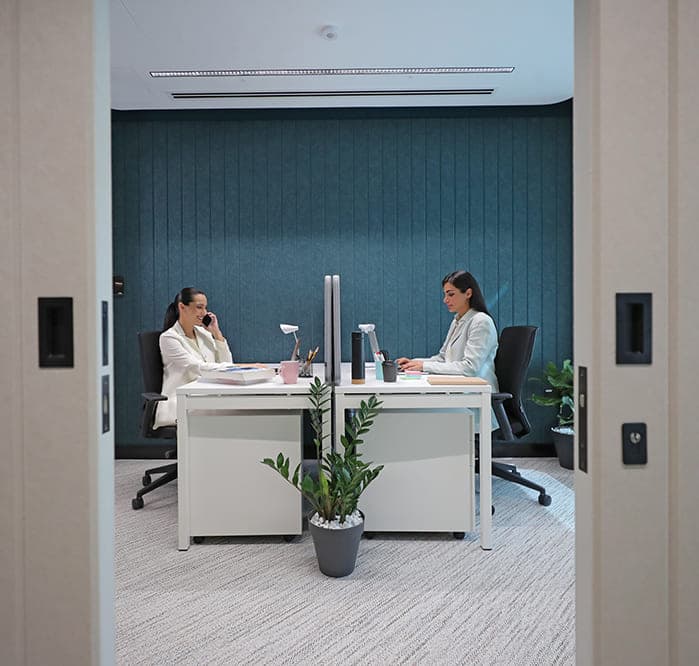
Office QuartersOffice in D/Quarters with unlimited 24/7 access
Offices1/2

Offices

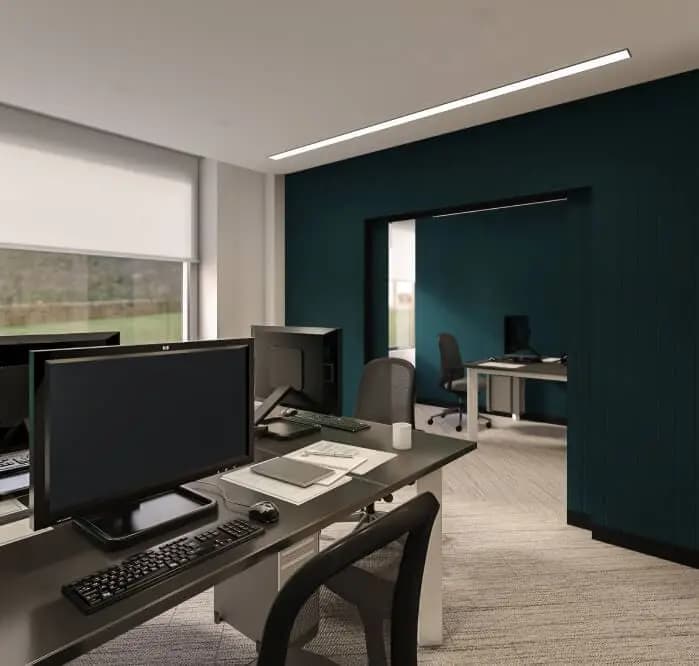
Shell & Core OfficeCustomizable unfurnished spaces starting from 700 sq.ft. with unlimited 24/7 access
Business Spaces1/6

Business Spaces

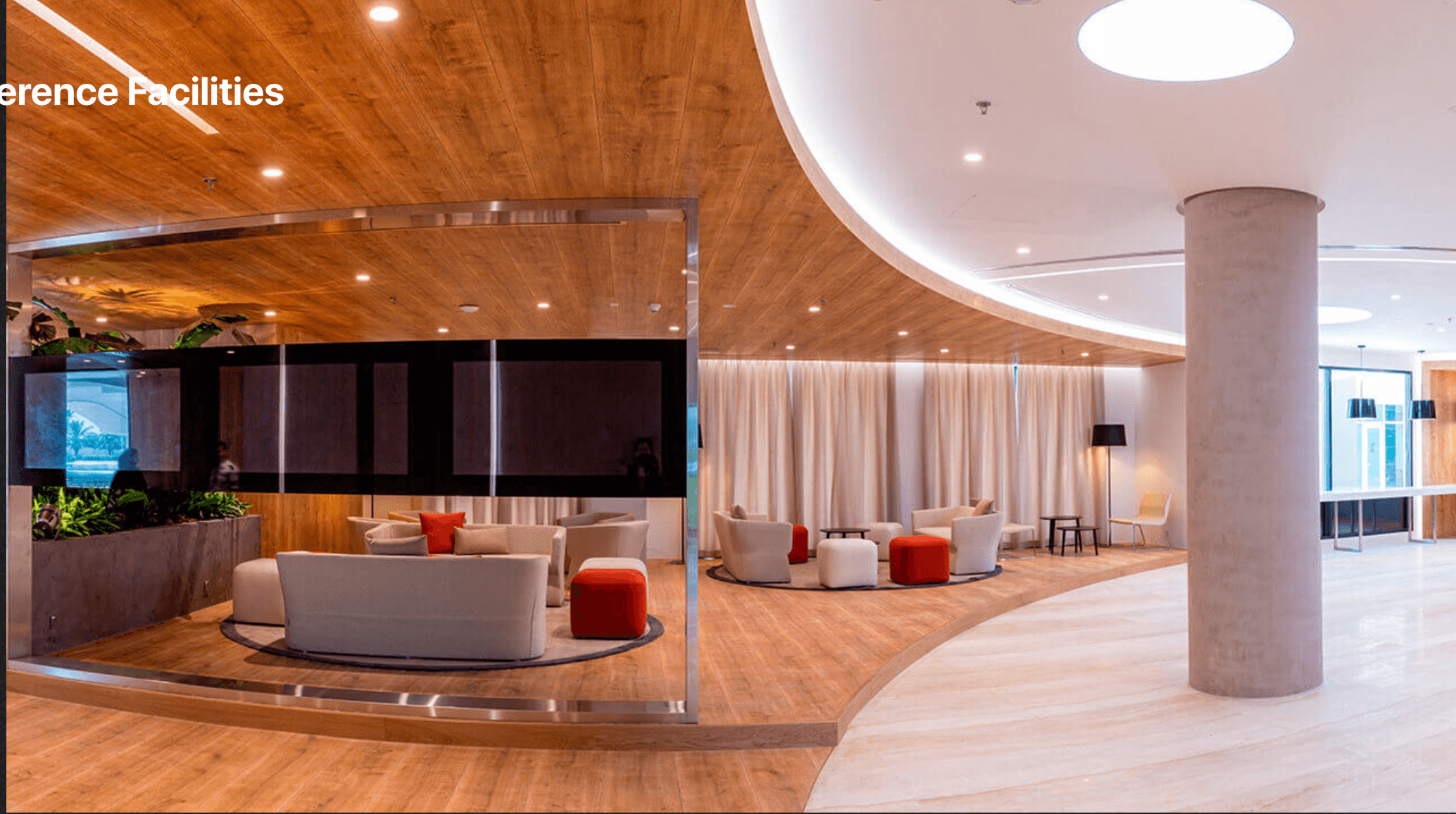
Specialized corporate spaces or business centers designed for business networking and corporate events, including offices, meeting rooms, training rooms, conference halls, and event spaces Meeting Rooms Event Venues – for hosting art exhibitions, conferences, workshops, lectures, fashion shows, and other events. University amphitheaters and open-air venues – for lectures, presentations, and cultural events held outdoors.

Commercial Premises1/6

Commercial Premises

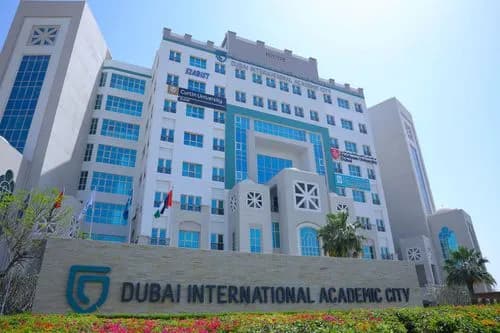
Business-designated areas: retail spaces in business centers, specialized premises, standalone buildings, and other commercial facilities Commercial Spaces in Educational Hub – Grade A buildings with LEED certification, basement storage facilities, and spaces for retail, F&B, and wellness services. Retail Spaces for Lease in Educational Hub – for restaurants and cafés, shops, service providers, corporate showrooms, gyms, and fitness centers, located within the DIAC campus environment and suitable for serving students, faculty, and university staff.
Education Facilities1/8

Education Facilities

CampusesBuilding complexes designed to accommodate international universities, colleges, and educational centers, equipped for lectures, seminars, and other educational activities. Tailored campus solutions (built-to-suit) — custom-designed campuses tailored to the specific requirements of educational institutions. Satellite campuses — branch campuses located outside the main university premises. University centers — ready-made educational centers for hosting universities.
Accomodations1/6

Accomodations

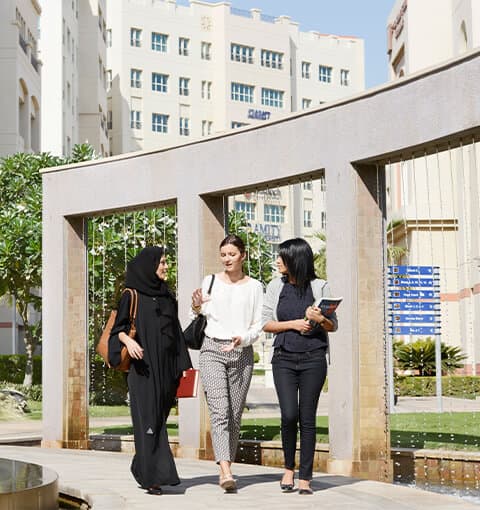
Modern student accommodations located near academic campuses, featuring furnished rooms, shared kitchens and laundry facilities, study and recreation areas, fitness centers, game rooms, as well as cafés and shops. The accommodations are available to DIAC students and faculty and are managed by private operators.
Ecosystems1/6

Ecosystems

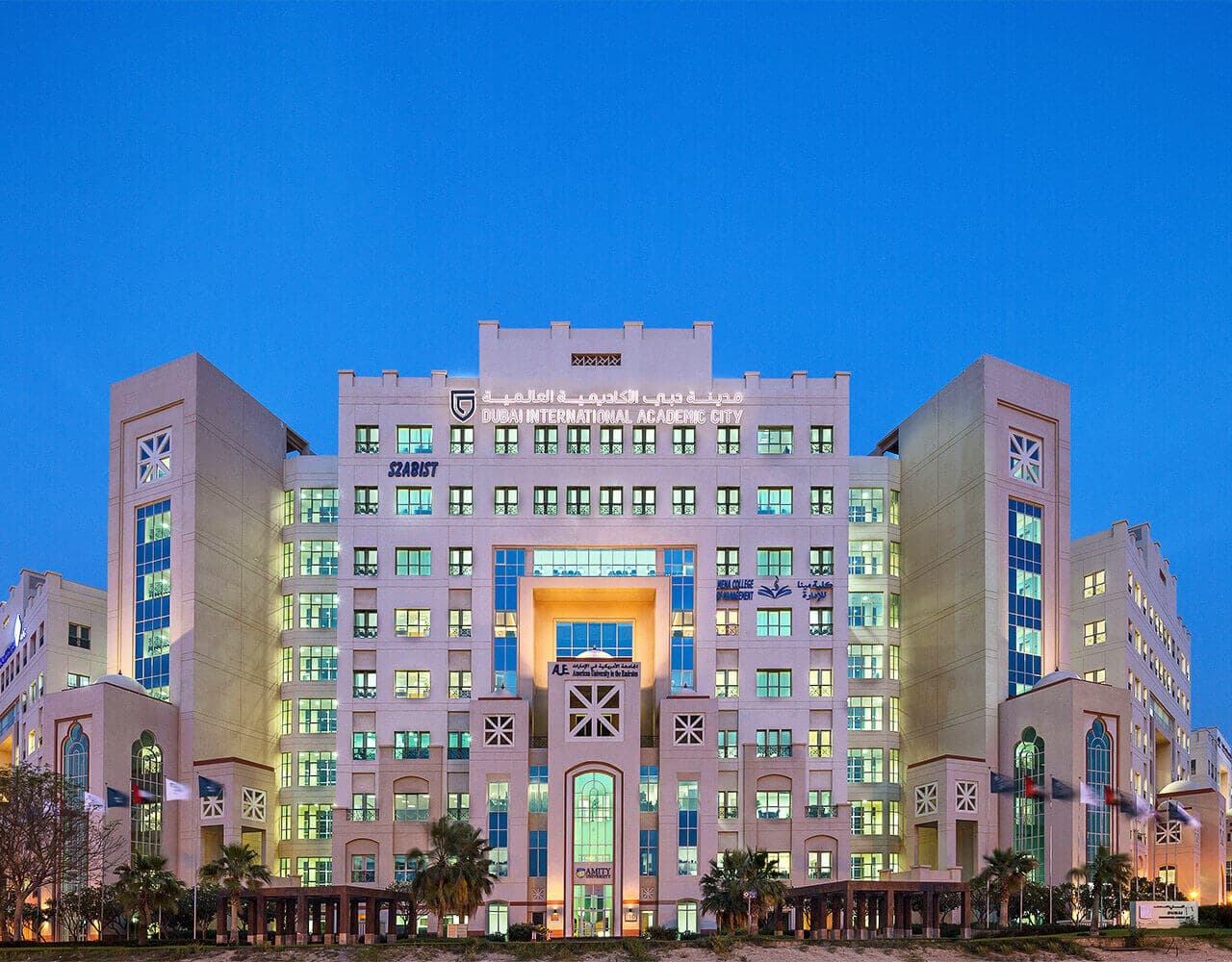
Comprehensive business environments that provide educational institutions and training companies with infrastructure for academic activities, networking opportunities, and the development of educational programs. DIAC Educational Hub

Requirements for Legal Entities Names

  • Must not violate the country laws or contain words that are obscene, indecent or generally offensive
  • Must not contain the names of Allah, Buddha or God, or any other religious terminology
  • Must not infringe any third party's intellectual property rights
  • Must not be identical or similar to local/global brands or registered trademarks
  • Must not contain geographical names, such as the names of emirates, cities, countries and other landmarks
  • Must not contain the names of local/international religious, political or governmental organizations

Authorized capital requirements

The minimum share capital required for Dubai International Academic City company is AED 50,000. Its contribution is optional.

Tax Regime and Profit Management

Value Added Tax (VAT)

  • Since January 1, 2018, the UAE has implemented a VAT rate of 5%, which applies to most goods and services and is charged to companies operating within the country, except for those registered in designated zones.

  • A Designated Zone is a territory within a free zone that is treated as outside the UAE for tax purposes, allowing goods to be exempt from taxation, provided certain criteria are met. The main taxation rules in Designated Zones are as follows:
    • The Designated Zones are listed in the Cabinet Decision to Federal Decree-Law No. (8) of 2017 on Value Added Tax (VAT).

    • Goods moved between or within Designated Zones are not subject to tax.

    • The export and import of goods between a Designated Zone and a foreign company are also not subject to tax.

  • For local companies and those registered in Non-Designated Zones (free zones not included in the Designated Zones list), the standard tax rules set forth in the Federal Decree-Law on VAT apply.

    • Companies with an annual turnover exceeding AED 375,000 are required to register with the Federal Tax Authority (FTA) as VAT taxpayers.

    • Companies with a turnover between AED 187,500 and AED 375,000 may register on a voluntary basis.

    • Companies can offset VAT paid on purchases of goods and services (input VAT) against the VAT they collect on sales (output VAT), shifting the tax burden to the final consumer.

    • Some goods and services may be exempt from VAT or taxed at a 0% rate, such as international transportation, educational, and medical services.

Corporate Tax

  • As of June 1, 2023, the UAE has introduced a corporate tax at a rate of 9%, levied on the taxable net profit of companies with income exceeding AED 375,000.

  • A 0% rate is applied to taxable income not exceeding AED 375,000.

  • Charitable, non-profit organizations and medical institutions are fully exempt from corporate tax.

Excise Tax

  • Since October 1, 2017, the UAE has introduced an excise tax aimed at reducing the consumption of harmful products and funding healthcare initiatives. The tax applies to alcohol, tobacco products, and beverages containing added sugar, including energy drinks and carbonated beverages.Excise tax rates vary depending on the product category:

    • 50% on carbonated drinks (excluding mineral water)

    • 100% on tobacco products

    • 100% on energy drinks

    • 100% on electronic smoking devices and liquids used for them

    • 50% on products containing added sugar or sweeteners.

  • Companies dealing with excise goods must register with the Federal Tax Authority (FTA), submit monthly declarations, and maintain records. Excise tax is paid upon the import, production, or release of goods for consumption in the UAE.

Customs Duties

  • Custom duties in the UAE are applied to most imported goods at a standard rate of 5% of the cost, insurance, and freight (CIF). Exceptions include certain categories of goods, such as medicines and food products, which may be exempt from duties or subject to a reduced rate.

  • Goods imported into UAE free zones are generally not subject to customs duties as long as they remain within these zones. However, when such goods are transferred to the UAE mainland, standard duties apply.

Personal Income Tax

  • In the UAE, personal income is not subject to taxation.

  • UAE citizens and residents are exempt from paying taxes on their personal income, including salaries, interest, dividends, inheritances, gifts, luxury goods, and capital gains.

Local Taxes and Fees

  • Individual emirates may impose specific local taxes and fees in line with their economic and social needs. These taxes and fees are aimed at supporting public services and implementing infrastructure projects.

Useful materials

Reviews

Similar Jurisdictions

Frequently Asked Questions