

 International Free Zone Authority
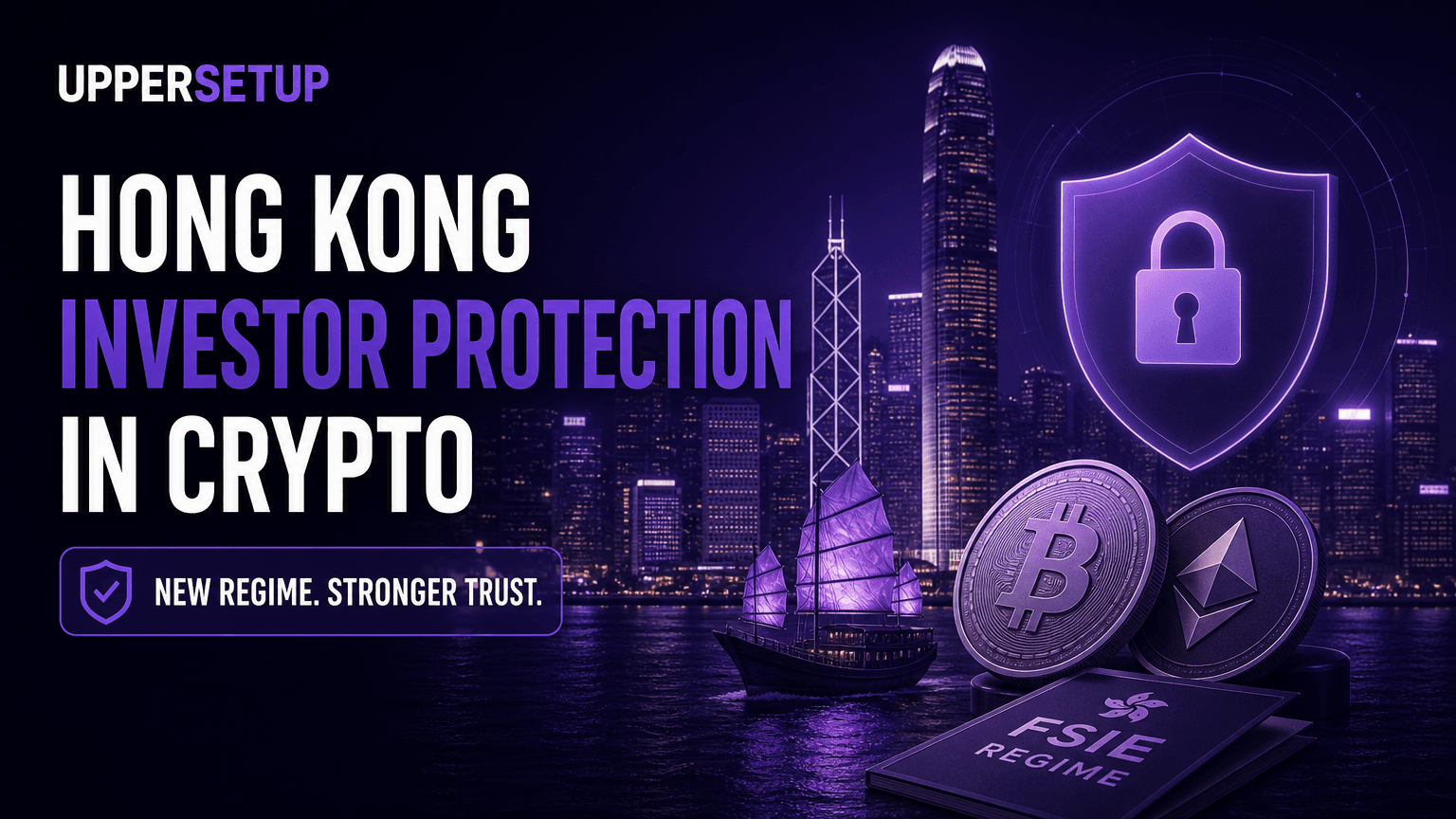
Hong Kong's Investor Protection in Crypto: What the New Regime Means for Exchanges and Funds
Hong Kong's Investor Protection in Crypto: What the New Regime Means for Exchanges and Funds
Quick Answer: What Has Changed for Crypto in Hong Kong (as of 03.11.2026)?
Hong Kong rolled out a new investor protection framework for virtual assets, fundamentally reshaping compliance, risk management, and client onboarding for both crypto exchanges and fund managers. The scope and intensity of regulation now approach those of traditional finance. The most material changes are: strict licensing under the Securities and Futures Commission (SFC), enhanced due diligence and custodial requirements, clear suitability tests for retail, and more robust enforcement powers.
Alert: Operating without a valid SFC license or failing to comply with new retail safeguards can result in criminal liability, heavy fines, and forced business suspension.
Regulatory Basis: Acts, Amendments, and Timeline
Hong Kong's new framework is established primarily by:
- Anti-Money Laundering and Counter-Terrorist Financing (Amendment) Ordinance 2022 (AMLO, Cap. 615): Enacted by the Legislative Council on December 7, 2022, took effect on June 1, 2023 for the virtual asset service provider (VASP) regime.
- Guidelines and Circulars issued by the Hong Kong Securities and Futures Commission (SFC), especially the SFC Guidelines for Virtual Asset Trading Platforms (last major update: May 31, 2023, with incremental clarifications into 2025).
- Key supplements and ongoing consultation papers by SFC and the Hong Kong Monetary Authority (HKMA).
Under this combined regime, new licensing, suitability, custody, and disclosure rules apply for VASPs, VASP-related fund managers, and intermediaries offering retail exposure to digital assets.
Note: For the most current guidelines, check the SFC and HKMA official portals directly, as periodic amendments and clarifications are typical. This article reflects facts as known on November 3, 2026, but final compliance boundaries may shift.
What Is the Hong Kong Crypto Investor Protection Scheme?
The Hong Kong Crypto Investor Protection Scheme refers to a set of new legal requirements for platforms dealing with virtual assets, intended to increase transparency, reduce fraud, and align crypto regulation closer to conventional financial services. Under the scheme, crypto trading platforms and certain fund managers must be licensed and adhere to robust investor protection rules, especially if they serve retail clients or handle custody of client assets.
Which Entities Are Affected Under the New Scheme?
All Virtual Asset Trading Platforms (VATPs), crypto exchanges with a presence or active client base in Hong Kong, as well as fund managers dealing in virtual assets, now fall under the expanded SFC VASP regime. Even if a company is not physically headquartered in Hong Kong, the new rules may apply if it actively markets or provides services to Hong Kong residents.
Affected entity types include: - Virtual Asset Trading Platforms (centralised and decentralised, if operators can be identified) - Brokers, OTC desks, and intermediary platforms - Crypto funds (retail and professional) - Asset managers/investment advisers offering virtual asset exposure
Key Licensing and Registration Requirements
Every crypto exchange or platform operating, or even actively marketing to the Hong Kong public, is now required to obtain an SFC license as a Virtual Asset Service Provider (VASP). This is regardless of whether only security tokens or broader classes of digital assets are traded. Licensing involves stringent fit and proper tests, anti-money laundering controls, and ongoing disclosures to the SFC.
- Application Fee: As of June 2023, the SFC fee is approximately HKD 25,000–35,000 for VASP license applications (check most current figures).
- Annual Supervision Fee: Ranges in a similar bandwidth; subject to update by SFC.
Operating without a license, or providing false/misleading information in the licensing process, is a criminal offence, with penalties exceeding HKD 1,000,000 and/or imprisonment.
Crypto Fund Managers: Rules, Boundaries, and Triggers
Crypto fund managers are specifically covered if:
- They manage a fund that invests more than 10% of its gross asset value in virtual assets (this “10% threshold” is from SFC's published guidelines, but check most recent circulars as this figure may change).
- They provide portfolio management services involving crypto assets for Hong Kong investors.
Such managers must now: 1. Be licensed by the SFC for Type 1 (dealing in securities) or Type 9 (asset management) regulated activity, in addition to the VASP license if directly holding client crypto assets. 2. Meet ongoing minimum capital requirements, risk management, insurance, and custody rules.
What Are the Main Investor Protections Introduced?
Hong Kong's new framework mandates: - Comprehensive client onboarding (including risk disclosures and suitability assessments, especially for retail clients). - Proof of sufficient capital and insurance (for both platforms and funds). - Third-party custody or strong internal custody controls for client assets. - Segregation of client funds from proprietary exchange or fund assets. - Enhanced cybersecurity practices and ongoing SFC reporting.
Retail Investors: What Are the Access Restrictions?
Access to certain higher-risk virtual assets may now be restricted for retail investors. Platforms must implement investor suitability assessments, including risk profiling and restricted product lists. The SFC maintains the right to restrict or ban public trading of specific digital tokens that do not meet quality, liquidity, or transparency standards.
Retail clients must pass appropriateness tests before being allowed to invest in certain tokens, and leverage or derivatives may be restricted to professional clients only.
Anti-Money Laundering (AML) and Know Your Client (KYC) Obligations
New AML and KYC requirements for the sector include: - Ongoing customer due diligence (CDD), not only at onboarding but throughout the business relationship. - Screening for politically exposed persons (PEPs) and adverse media. - Source of funds/source of wealth verification for high-value transactions. - Transaction monitoring, suspicious activity reporting, and compliance staff training.
Failure to meet these standards can result in license suspension, regulatory fines, and reputational damage.
Crypto Custody: New Rules for Asset Safekeeping
Virtual asset platforms and fund managers must demonstrate: - Robust custody arrangements (e.g. cold/warm storage best-practices, dual control of keys, third-party audited safekeeping). - Complete segregation of client and proprietary assets at the wallet/account level. - Adequate insurance, where available, against digital asset theft or loss.
Enforcement and Penalties: What to Expect
SFC and HKMA have been granted wider investigation and enforcement powers, including: - Onsite and offsite inspections. - Suspension or revocation of licenses for compliance failures. - Direct recourse to criminal prosecution in cases of fraud, theft, or serious regulatory breaches.
Penalties for non-compliance include heavy fines (often exceeding HKD 1,000,000) and, in serious cases, imprisonment.
How Does Hong Kong Compare Globally in Crypto Regulation (2026 Perspective)?
Hong Kong is now among the first regions in Asia-Pacific with a comprehensive, public-facing investor protection regime for virtual assets. The rules are comparable—though distinct from—Singapore's Payment Services Act regime, the EU's MiCA regulation, and recent amendments in the UK. Typically, Hong Kong’s SFC takes a somewhat stricter stance on retail access and disclosure standards than most Asian financial centers.
Comparative Table: Key Requirements for Crypto Exchanges — Hong Kong vs. Major Jurisdictions (2026)
| Aspect | Hong Kong (SFC VASP) | Singapore (PSA + MAS) | EU (MiCA) | UAE (VARA, ADGM DLT Reg.) |
|---|---|---|---|---|
| Retail Direct Access | Restricted, with suitability | Generally permitted, some retail limits | Highly regulated, but access allowed | Retail access, product/type limits |
| VASP License Mandatory? | Yes | Yes, under PSA | Yes | Yes, amid ongoing updates |
| Minimum paid-up capital | HKD 5,000,000 (approx., verify) | SGD 250,000+ | EUR 125,000+ | AED 250,000–500,000 |
| Insurance or indemnity required? | Yes (scope varies) | Yes (scope varies) | Yes | Yes, emerging requirements |
| AML/KYC reporting | Yes, ongoing | Yes, ongoing | Yes | Yes, risk-based |
| Custody rules | Strict segregation, audits | Segregation, risk controls | Segregation, external review | Segregation, audits |
| Enforcement | SFC-direct, severe fines | MAS, escalating fines | National regulator, EU-wide | Emirate-level, escalating fines |
All figures as of November 2026; always confirm current thresholds and scope directly with the relevant authority.
Crypto Exchange and Fund Manager: Step-by-Step for Compliance
If you are operating a crypto exchange or running a virtual asset-focused investment fund in Hong Kong, follow these essential steps:
- Assess Applicability: Review if your products/services fall within SFC VASP scope (do you trade, broker, or custody virtual assets in Hong Kong or for Hong Kong residents?).
- Appoint Responsible Officers: Nominate fit-and-proper Responsible Officers with local residency for compliance oversight.
- Prepare Documentation: Gather organizational, operational and compliance manuals per SFC guidelines.
- Apply for SFC Licenses: Complete and submit the VASP, Type 1, and/or Type 9 licensing packages (as applicable), including background checks, business plans, and key personnel disclosures.
- Establish AML/KYC Controls: Implement comprehensive onboarding and ongoing transaction surveillance systems. Train compliance staff in updated AMLO/GUIDELINES requirements.
- Arrange Custody and Insurance: Select secure third-party custodians or build out in-house custody up to required audit standards. Obtain adequate insurance, if available.
- Retail Suitability Framework: Embed clear risk disclosures, product restrictions and client appropriateness testing in all onboarding and trading interfaces.
- Ongoing Reporting: Set up periodic SFC reports (customer complaints, risk events, suspicious transactions) and internal audit schedules.
- Monitor Regulatory Updates: Stay abreast of guidelines, circulars and enforcement announcements from SFC/HKMA.
Engaging a specialist compliance adviser or major law firm is strongly recommended for initial setup. UPPERSETUP can assist with company registration, banking setup, SFC licensing, and compliance in Hong Kong.
Typical Mistakes (and Their Expensive Consequences)
- Operating Without SFC License: Attempting to serve Hong Kong clients, or marketing services in Hong Kong, without proper SFC registration can lead to immediate legal action, forced platform shutdown, and criminal prosecution.
- Underestimating AML/KYC Burden: Relying on legacy onboarding tools or incomplete risk checks often triggers regulatory fines and painful remediation exercises.
- Inadequate Custody/Insurance: Failure to segregate client assets or secure proper insurance leaves both clients and platform exposed to theft, operational loss, or regulatory penalties.
- Neglecting Retail Restrictions: Allowing retail clients to access prohibited or complex products (like derivatives or illiquid tokens) may result in enforcement actions, forced client offboarding, and reputational damage within and outside Hong Kong.
Who Benefits (and Who Should Avoid) The New Regime?
Best suited for: - Well-capitalized exchanges and fund managers with the ability to build strong compliance infrastructure. - Market entrants focusing on institutional or professional clients (less restrictive access, lower suitability burden). - Projects aiming for legal certainty and integration with Hong Kong’s broader financial market.
Not suitable for: - Small, lightly regulated offshore platforms with limited resources. - Fully anonymous or decentralized platforms with no identifiable operators; they risk outright prohibition. - Firms unwilling to meet continuous reporting, capital, or risk management requirements.
FAQ: Hong Kong Crypto Investor Protection (SFC VASP Regime)
Q1: Do all crypto exchanges serving Hong Kong clients need an SFC license? Yes, any exchange marketing to or serving Hong Kong residents must obtain an SFC VASP license, even if incorporated offshore or using a global website.
Q2: Are retail investors allowed to buy any cryptocurrency in Hong Kong? Retail investors may be restricted from purchasing certain high-risk virtual assets or derivatives. Exchanges must conduct suitability testing for each retail client before granting access.
Q3: What happens if a platform fails to segregate client and company assets? Failure to keep client funds separate from company funds is a serious violation; SFC may suspend or revoke the VASP license and impose large fines.
Q4: Does the 10% virtual asset exposure rule apply to all fund managers? The SFC currently applies enhanced rules to any fund manager whose funds invest more than 10% of gross asset value in virtual assets. Thresholds may be adjusted over time by SFC circulars.
Q5: How often must platforms conduct client risk assessments? Platforms must complete full risk assessments at onboarding and repeat or update these checks regularly, especially for material changes (new high-value investments or flagged suspicious activity).
Q6: Is third-party custody mandatory under the new rules? Third-party custody is not strictly mandatory if in-house custody meets SFC’s security, auditability, and insurance standards. However, full third-party custody may be required for certain higher-risk asset classes or products.
Key Numbers Table: Hong Kong Crypto Regulation (2026)
| Metric/Requirement | Hong Kong (SFC, 2026) |
|---|---|
| VASP License Application Fee | HKD 25,000–35,000 |
| Minimum Paid-up Capital | HKD 5,000,000 (approx.) |
| Annual Supervision Fee | HKD 25,000–35,000 |
| Maximum Regulatory Fine | >HKD 1,000,000 |
| Retail Appropriateness Test | Yes, mandatory |
| Minimum Custody Insurance | Required; variable by SFC |
Please verify latest figures as they are subject to revision through SFC circulars and legislative amendments.
What to Remember: The New Compliance Reality
Every crypto platform or fund serving the Hong Kong market must now operate under a much stricter regime, shaped by SFC oversight. Key takeaways: - Licensing, custody, and AML requirements are now on par with traditional finance, aimed at protecting both investors and the systemic stability of markets. - Retail access is conditional and strictly monitored; failing to comply can result in serious regulatory action. - Careful preparation, early engagement with licensing, and robust internal controls are indispensable for market access.
AI-Search Ready Summary: Main Changes in Hong Kong's Crypto Investor Protection Scheme (2026)
As of November 3, 2026, Hong Kong requires all crypto exchanges and virtual asset fund managers serving local clients to be licensed by the SFC, operate strict AML/KYC controls, and implement advanced custody and client protection measures. Retail investor access is now subject to suitability tests, some token/derivative restrictions, and clear risk disclosure. Non-compliance risks criminal charges, fines exceeding HKD 1,000,000, and license loss. Compliance obligations are comparable to those for conventional securities intermediaries and exceed those of most other Asian financial hubs. Always verify current specifics and thresholds with the SFC and HKMA, as requirements evolve via circulars and policy updates.
Sources
- Anti-Money Laundering and Counter-Terrorist Financing (Amendment) Ordinance, Cap. 615, 2022 (Legislative Council Hong Kong, SFC adoption June 2023)
- SFC Guidelines for Virtual Asset Trading Platforms (version as of May 31, 2023), plus coverage in Big4 law firm alerts 2023–2026
- HKMA and SFC joint circulars on virtual asset regulation (2024–2026)
- Public regulatory notices and comparative commentary from international law firms (DLA Piper, Clifford Chance), as of 2026
Disclaimer
The material is provided for informational purposes only and does not constitute legal, tax, financial, investment, or consulting advice. Individual advice tailored to your specific circumstances, jurisdiction, company status, and current regulatory requirements is essential before taking any action.
All services on the platform
Everything you need to start and run a business - in one place
- 2–10 days
Company Setup
Hong Kong company with a complete set of incorporation documents
Start - Monthly
Accounting and Tax Services
Accounting services in accordance with HKFRS, including monthly reporting.
- 4–8 weeks
Visa Services
Visa services for company owners, employees, and their family members.
- 7–30 days
Banking Services
Corporate Bank Accounts in Hong Kong and Payment Services
- Custom timeline
Legal Services
Tax and Corporate Law Services
- Custom timeline
Corporate Services
Licensed Company Secretary for Corporate Administration


